
Your homeowners insurance bill probably crept up while you weren’t looking, and you may be paying hundreds more than you need to. The good news: this is one of the bills where a single afternoon of work can pay off for years.
Here is exactly how to lower homeowners insurance, step by step, without gutting the coverage that protects your biggest asset.
Quick answer: To lower homeowners insurance, compare quotes from at least three to five companies, ask for every discount you qualify for, raise your deductible if you have the savings to cover it, and make sure your coverage amount matches your home’s actual rebuilding cost. Many households save roughly 10% to 25% or more, though results vary by area, insurer and home.
Why homeowners insurance costs what it does
Insurers price your policy using your home’s age, size, roof condition, location, claims history, nearby weather and fire risk, and the cost of labor and materials to rebuild. In many states, credit-based information can also play a role, though some states restrict this.
Some of those factors you cannot change. Many you can, and that is where your savings live. Rates also differ a lot from one company to the next for the exact same house, which is why shopping matters so much.
Typical cost and savings at a glance
Premiums vary enormously by state, home value and coverage. The ranges below are rough, general guides, not quotes. Your numbers will depend on where you live and which provider you use.
| Money-saving move | Typical effort | Typical savings (approximate) |
|---|---|---|
| Compare quotes from multiple companies | 1-2 hours | Often the biggest saver; can be hundreds per year |
| Raise your deductible | 10 minutes | Often a noticeable cut, varies by insurer |
| Bundle home and auto | 30 minutes | Commonly a modest percentage; confirm the total price |
| Ask for all discounts | 15 minutes | Small each, meaningful combined |
| Home upgrades (roof, security, water leak devices) | Varies | Varies widely by insurer and state |
| Fix coverage errors on your policy | 30 minutes | Varies; can avoid paying for coverage you do not need |
12 ways to lower your homeowners insurance
1. Shop around, every time
This is the single most reliable move. Get quotes from independent agents (who can check several companies at once), from companies that sell directly, and from your current insurer. Compare identical coverage limits and deductibles so you are judging price, not different products.
Putting a reminder in your calendar a month before renewal gives you time to shop without rushing. For the car side of this habit, see how often you should shop for car insurance, since the same rhythm works for your home policy.
2. Ask for every discount
Discounts are rarely applied automatically. Call and ask directly. Common ones include:
- Multi-policy (bundling) discount
- Claims-free or loyalty discount
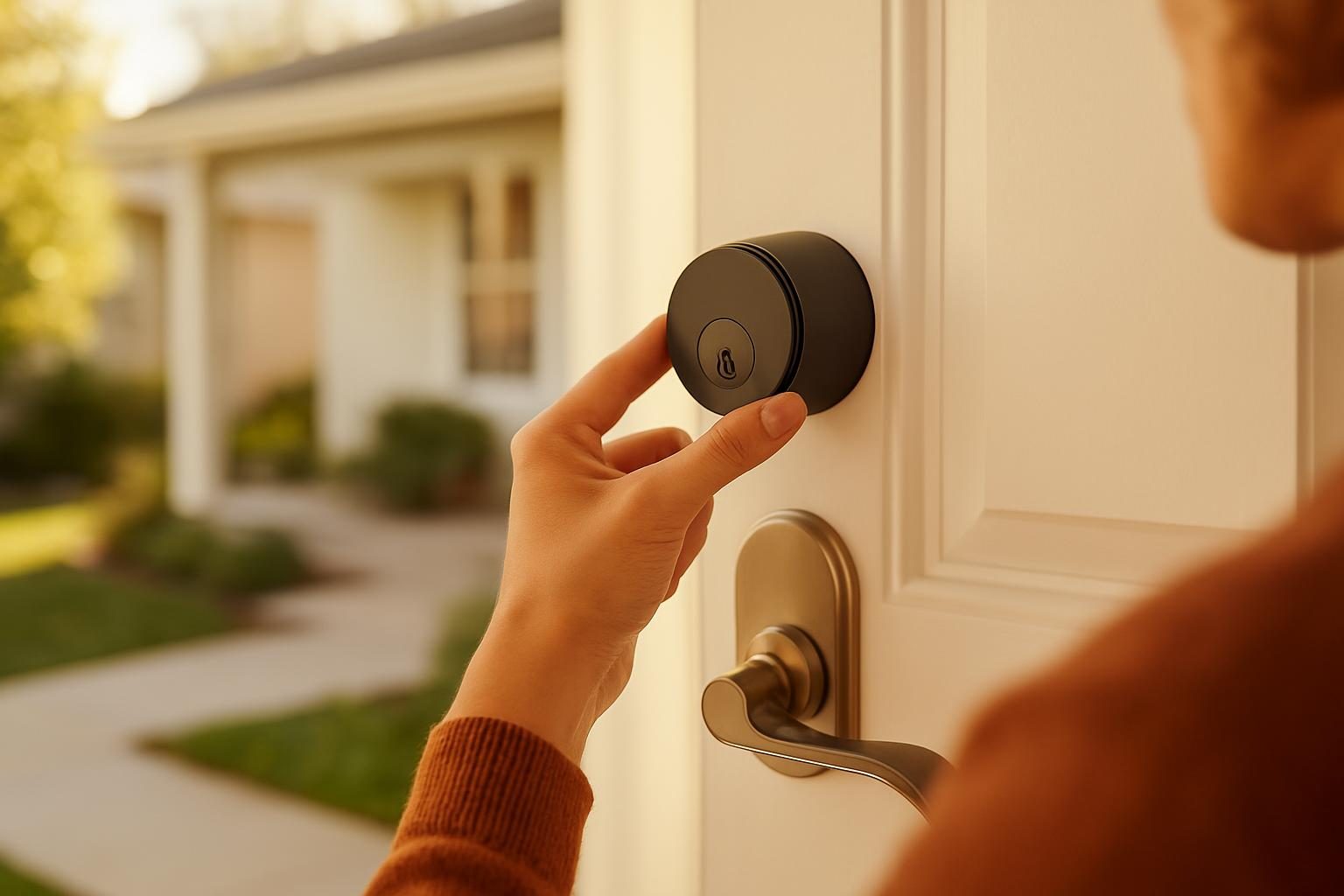
- Protective devices: smoke detectors, burglar alarms, deadbolts, sprinkler systems
- Newer roof, updated wiring, plumbing or heating system
- Smart water-leak sensors or automatic shutoff valves
- Paperless billing, autopay or paying in full
- Professional or group memberships (alumni groups, employers, military, retirees)
- Gated community or fire-resistant construction
Not every insurer offers every discount, and amounts differ. Ask for a written list of what is applied to your policy.
3. Test a higher deductible
Your deductible is what you pay out of pocket before insurance kicks in. A higher one usually lowers your premium. The rule: only raise it to an amount you could pay from savings without borrowing. We cover the tradeoffs in should you raise your deductible to lower your premium.
Also check whether you have a separate, higher deductible for wind or hail. If so, make sure you understand it before a storm hits.
Money move: Ask every quote to be priced at three deductible levels (for example, low, medium and high) at the same time. Seeing the premium difference side by side makes the right choice obvious in about five minutes.
4. Bundle, but verify the math
Combining home and auto with one company often earns a discount. But the cheapest bundle is not always cheaper than two separate best-priced policies. Get both versions and add up the totals. Our guide on whether to bundle home and auto insurance walks through how to compare fairly.
The cheapest bundle isn’t always the cheapest option, so always compare the total price, not the discount percentage.
5. Make sure your coverage amount is right
Your dwelling coverage should reflect the cost to rebuild your home, not its market value and not what you paid for it. Land value is not part of rebuilding costs. If your policy is set too high, you may be overpaying; too low, and you could be underinsured after a loss.
Ask your agent to show you how they calculated rebuilding cost, and share any upgrades (finished basement, new kitchen) so the estimate is accurate. Do not cut coverage so deeply that a rebuild would leave you short.
6. Review what you actually need covered
Check your policy for add-ons you may not need, such as coverage for items you no longer own, duplicate coverage, or endorsements (extra coverage add-ons) that overlap. Keep the ones that matter, like extra protection for expensive jewelry or sewer backup if your area is prone to it. For auto insurance, similar principles apply when considering whether to drop full coverage on older vehicles.
Do not guess on flood coverage. Standard homeowners policies typically do not cover flood damage, and flood insurance is separate. The National Flood Insurance Program (FEMA) is the official place to learn how that works.
7. Strengthen your home against common risks
Insurers reward lower risk. Depending on where you live, the upgrades that can matter most include a newer or impact-resistant roof, storm shutters, a monitored security system, and water-leak detection. Some states run programs that reward wind- or fire-resistant improvements. Ask your state insurance department what is available.
Before spending big, ask your insurer or agent which upgrades earn a discount and roughly how much. Smaller fixes, like smoke detectors and deadbolts, are often inexpensive and sometimes qualify.
8. Keep your claims history clean when it makes sense
Claims can raise your premium or affect your eligibility. That does not mean you should skip a claim for major damage, because that is what insurance is for. But for very small losses that barely exceed your deductible, think carefully before filing, and talk to your agent about how a claim may affect your rates.
9. Understand how credit and other factors play in
In many states, insurers use a credit-based insurance score as one pricing factor, though a few states limit or ban it. Paying bills on time and keeping balances low can help over time. For more, read how your credit affects insurance rates.
If you believe incorrect information is hurting your rate, you have the right to review your credit reports for free through the official site AnnualCreditReport.com and dispute errors.
10. Pay in full or use autopay
Many insurers charge installment fees for monthly payments. Paying annually or semiannually, or using autopay and paperless billing, can trim your total cost. Ask what fees you are paying now. The same logic applies to your car policy, as explained in pay car insurance in full or monthly.
11. Ask your insurer to re-rate your policy
Call and say you are shopping around and want to know if your policy can be re-rated or reviewed for savings. Agents sometimes find outdated details, like an old roof age, a removed pool, or the wrong square footage, that are costing you money. Correct information in your favor can lower your price. The same negotiation principles apply to car insurance.
12. Look into help if money is tight
If you live in a high-risk area and standard insurers decline you, many states have an insurer of last resort, often called a FAIR Plan or state-backed program. These can cost more and cover less, so treat them as a backup. Your state insurance department can explain what exists and how to apply.
If your home costs are squeezing the rest of your budget, see our guide to help paying bills and the programs worth knowing.
Your step-by-step plan for the next hour
- Grab your current declarations page. This summary page lists your coverage limits, deductibles and premium. Your insurer’s app or website usually has a copy.
- Note your renewal date. Start shopping at least 30 days before it.
- Get three to five quotes using identical coverage and deductibles. Include an independent agent, a direct insurer and your current company.
- Ask each one for every discount and request pricing at three deductible levels.
- Price a bundle and separate policies and compare the total cost.
- Check each company’s reputation. Your state insurance department often publishes complaint data. Cheap is no bargain if claims go badly.
- Switch or negotiate. Either move to the better offer or call your current insurer and ask them to match it.
- Cancel the old policy only after the new one is active so you never have a gap in coverage. If you have a mortgage, make sure your lender gets the new policy information.
What to say when you call
You do not need a perfect script, but a clear ask helps. Try something like this:
“Hi, I’m reviewing my homeowners policy before renewal and I’d like to lower my premium. Can you check that I’m getting every discount I qualify for, and tell me what my price would be with a higher deductible? I’m also getting quotes from other companies, so I’d like to know the best rate you can offer.”
Stay polite and specific, and write down names, quotes and dates. For more word-for-word wording on any bill, use our guide to negotiating bills with scripts and tactics, or build your own with the Negotiation Script Builder.
Your insurer will not volunteer discounts, so ask for each one by name and request it in writing.

Mistakes that quietly cost you money
- Auto-renewing without comparing. Renewal prices can rise even when nothing has changed in your life.
- Comparing different coverage. A lower price may simply mean lower limits or a higher deductible.
- Insuring for market value instead of rebuild cost. The two are different numbers.
- Cutting coverage too far. Saving $200 a year is not worth a $50,000 gap after a fire.
- Forgetting to update your insurer after improvements. A new roof or alarm system may earn a discount only if you report it.
- Skipping the other policies. Your car and renters coverage may offer savings too. See our complete guide to lowering car insurance and our breakdown of renters insurance costs if you also rent out a unit or a family member rents from you.
Where to get official help and more information
Your state insurance department is the best neutral source. It can explain your rights, show complaint records for insurers, and tell you about state-backed coverage options if you are struggling to find a policy. The National Association of Insurance Commissioners (NAIC) also publishes consumer information through its website. For disaster and flood questions, check FEMA and the National Flood Insurance Program.
If you want to find other savings across your household budget, try the Bill Savings Finder, and browse more guides in our insurance category.
Note: Bill Reduction Institute is an independent publication, not an insurer or agent. We may earn referral fees from partners, and we say so openly. This article is general education, not personal insurance, legal or financial advice. Prices and savings are approximate and vary by area and provider.
Overpaying for homeowners insurance? Get a free review
Tell us what you pay now and we will follow up with ways to lower it, from do-it-yourself steps to vetted partner offers. Free, with no obligation.
Thanks, we have it.
We will look at what you pay and follow up soon. Meanwhile, try our free negotiation script builder.
Key takeaways
- Shopping at least three to five quotes is usually the biggest single way to lower homeowners insurance.
- Ask for every discount by name; most are not applied automatically.
- Raise your deductible only to a level you could pay from savings.
- Insure for rebuilding cost, not market value, and do not slash coverage just to save a little.
- Compare bundled and separate home and auto prices by total cost, not discount percentage.
- Your state insurance department can confirm your rights and point you to official options.
Frequently asked questions
Why did my homeowners insurance go up?
Common reasons include higher rebuilding costs for labor and materials, more claims in your area, changes in your insurer’s view of regional risk, an older roof, or a claim you filed. Ask your insurer for the specific reasons, then shop around, because other companies weigh these factors differently.
Is it worth raising my deductible?
Often yes, if you could comfortably pay the higher deductible out of savings tomorrow. Moving to a higher deductible can trim your premium noticeably, though the amount varies by insurer and area. Never choose a deductible you could not afford to pay.
Does bundling home and auto insurance really save money?
Many insurers offer a multi-policy discount, but it is not always the cheapest combination. Get a bundled quote and separate quotes from different companies, then compare the total. The lowest total price wins, not the biggest advertised discount.
Can I negotiate my homeowners insurance premium?
You cannot usually haggle the base rate, but you can ask an agent to re-run your policy with every discount, a higher deductible, or updated home details. Asking for a policy review and a retention offer is a legitimate way to lower your price.
How often should I shop for homeowners insurance?
A good habit is to compare quotes at least every year or two, and any time your premium jumps, you finish a home upgrade, or your life changes. Prices differ widely between companies, so loyalty alone rarely pays.