
You are paying every month to protect a car that might not be worth much more than a year of premiums. At some point, the math stops working in your favor. Here is how to tell when that point has arrived, and how to drop coverage without taking a risk you cannot afford.
Quick answer: Consider when to drop full coverage once your car is paid off and the yearly cost of collision and comprehensive is around 10% or more of the car’s market value, or when you could afford to replace the car from savings. Keep it if you still have a loan or lease, or if losing the car would leave you without a way to get to work.
What “full coverage” really means
“Full coverage” is a nickname, not a policy. It usually means three things bundled together: liability (pays for damage you cause to others), collision (pays to fix your car after a crash, no matter who is at fault) and comprehensive (pays for theft, fire, hail, flooding and animal strikes).
When people ask about dropping full coverage, they mean removing collision and comprehensive. You keep liability, which is required by law in nearly every state. Check your state insurance department’s website for the minimums where you live.
The big catch: the insurer will never pay more than your car’s actual cash value (what it was worth just before the loss), minus your deductible. On an older car, that payout can be small.
The simple math: the 10% rule
A common rule of thumb is to look hard at dropping collision and comprehensive when the annual cost reaches roughly 10% of the car’s value. It is a guideline, not a law, but it gives you a fast gut check.
- Find your car’s value. Use a free pricing guide (Kelley Blue Book, Edmunds or NADA Guides) and enter your mileage, trim and condition honestly. Cross-check with similar cars listed for sale near you.
- Find what collision and comprehensive cost you. Look at your policy’s declarations page, the summary of your coverages and premiums. Add up the collision and comprehensive lines for the full term, then convert to a yearly number.
- Subtract your deductible from the value. If your car is worth $4,000 and your deductible is $1,000, the most you could ever collect is about $3,000.
- Divide. Yearly cost of those two coverages divided by the car’s value. If you land near or above 10%, the coverage is getting expensive for what it protects.
A quick example
Say your car is worth about $4,000, your deductible is $500, and collision plus comprehensive cost you $600 a year. Your best-case payout after a total loss is around $3,500, and you are paying 15% of the car’s value each year to keep that option. That is a strong signal to consider dropping it.
These numbers are illustrations. Your premiums, car value and deductible will differ, and costs vary a lot by area, driver history and provider.
If the most your insurer would ever pay is a few thousand dollars, ask what you are really buying.
Signs it is probably time to drop it
- The car is paid off. No lender is requiring coverage anymore.
- The premium is 10% or more of the car’s value. Or the car is worth less than about ten times what you pay for collision and comprehensive each year.
- You have savings to replace it. If you could cover a replacement car of similar value without wrecking your budget, you can self-insure.
- The car is a backup. A second or third vehicle that is not essential to getting to work is a good candidate.
- Your deductible eats the payout. If a $1,000 deductible leaves you with a small check, the coverage does little.
- It is low-mileage or rarely driven. Lower exposure means fewer chances you will ever file a claim.
Signs you should keep it
- You have a loan or lease. Lenders and leasing companies almost always require collision and comprehensive. Dropping it can breach your contract and trigger expensive force-placed insurance, which the lender buys on your behalf and bills you for.
- You could not replace the car. If losing it means you cannot get to work and have no cash cushion, the coverage is doing real work, even on an old car.
- You live where theft, hail or flooding is common. Comprehensive in particular may be worth keeping.
- The car is worth more than you think. Some older vehicles hold value well. Check before you assume.
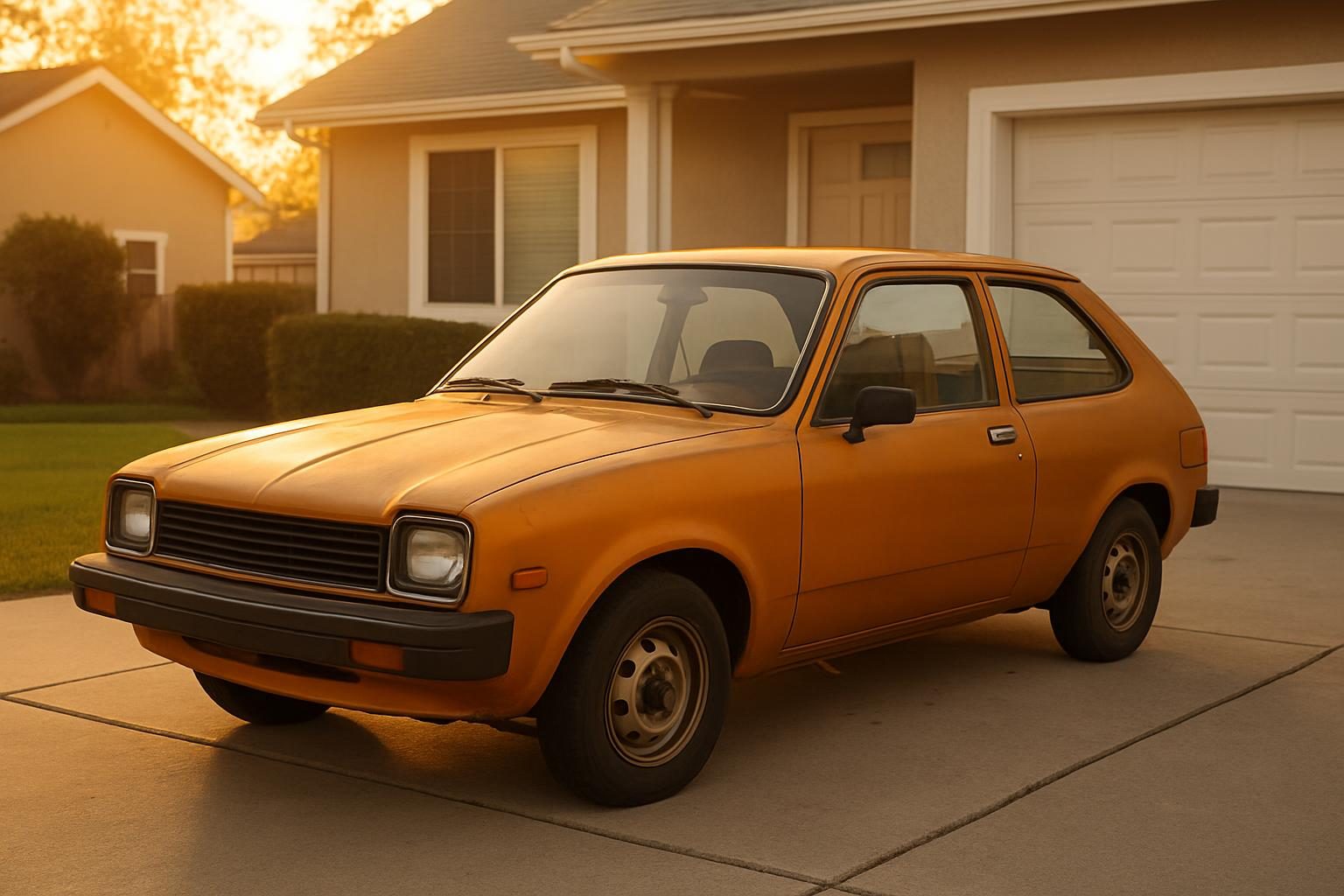
What you could save by dropping full coverage
Savings depend on your car, driving record, age, ZIP code and provider. As a rough picture, for an older, lower-value car the collision and comprehensive portion often makes up a large share of the total premium. Here is how the options typically compare. All figures are approximate and vary by area and provider.
| Option | What you keep | Typical effect on premium | Best for |
|---|---|---|---|
| Keep everything | Liability, collision, comprehensive | Highest cost | Financed or leased cars; cars you could not replace |
| Raise the deductible | All three, higher out-of-pocket | Often a noticeable drop | Drivers with a cash cushion who want to keep protection |
| Drop collision only | Liability and comprehensive | Often a meaningful drop | Older cars in areas with theft or weather risk |
| Drop both | Liability only | Often the largest drop | Paid-off, low-value cars you could replace |
Many drivers with older cars find that removing collision and comprehensive cuts a large chunk of the bill, sometimes hundreds of dollars a year. Your own quote is the only number that counts, so get a quote before you decide.
Money move: Before you drop anything, ask your insurer for two quotes: one with collision and comprehensive, and one with liability only. Seeing the exact dollar difference makes the decision concrete. Then try a higher deductible as a middle option.
Try the middle options first
You do not have to choose between everything and nothing. A few in-between moves can cut the bill while keeping some protection.
Raise your deductible
A higher deductible lowers your premium because you take on more of the first dollars of any claim. Only do this if you could actually pay that amount tomorrow. We will cover the trade-off in more detail in our guide on whether to raise your deductible to lower your premium.
Keep comprehensive, drop collision
Comprehensive often costs less than collision, and it covers events you cannot control, like theft, hail or hitting a deer. If you are comfortable absorbing the cost of your own crash repairs but worried about those risks, this split can make sense.
Check for missing discounts
If you keep any coverage, make sure you are getting every discount you qualify for. Our list of car insurance discounts you might be missing is a quick place to start.
The right amount of coverage is the amount that protects you from a loss you could not absorb.
How to drop full coverage the right way
- Confirm you own the car outright. Check your loan statement or title status. If a lender is listed, call them first.
- Never touch your liability coverage. Driving without required liability can mean fines, license suspension and serious financial risk if you cause a crash. Your state insurance department lists the minimums, and many financial advisers suggest carrying more than the minimum if you can.
- Call or log in to your insurer. Say: “I would like a quote to remove collision and comprehensive from my [year, make, model]. Can you tell me the new premium and the effective date?”
- Ask about re-adding it later. A good question is: “If I want to add coverage back, are there waiting periods or inspection requirements?”
- Shop at the same time. A lower-coverage policy changes how companies price you. Compare quotes from a few types of insurers: large national carriers, regional companies and independent agents. Our guide on how often to shop for car insurance explains the best timing.
- Get the change in writing. Download your updated declarations page and make sure the coverages and premium match what you were told.
- Set aside the savings. Move what you save each month into a savings account labeled for car repairs or replacement. That fund becomes your own insurance.

Build a “self-insurance” cushion
Dropping coverage only works if you can handle the risk you are taking back. The savings are the point: if you cut $40 to $60 a month, that adds up to a few hundred dollars in a year, and a thousand or more over two to three years.
Even a small cushion helps with minor repairs. If cash is tight and a crash would leave you stranded, that is a sign to keep at least some coverage, or to look at help programs. Our guide to help paying bills lists official assistance options worth knowing about.
What about the other drivers on the road?
Dropping collision means you pay for your own repairs after an at-fault crash. If someone else hits you, their liability insurance should pay, but only if they have it. Uninsured and underinsured motorist coverage, which is separate from collision, can protect you when the other driver has little or no insurance. Check whether it is offered in your state and whether it fits your budget before you trim other coverages.
Other ways to cut the bill on an older car
- Compare quotes. Prices for the same driver vary widely between companies. See average car insurance cost for benchmarks.
- Ask for a rate review. Our car insurance negotiation guide has questions to put to your insurer.
- Consider a driving-tracking program. Some drivers save, others do not. See whether usage-based insurance is worth it for your habits.
- Ask about payment options. Paying in one lump sum can lower fees. Learn more in our guide on whether to pay car insurance in full or monthly.
- Bundle if it helps. If you also have home or renters insurance, see whether you could bundle home and auto insurance for a discount.
For the full list of strategies, start with our complete guide: How to Lower Car Insurance: 21 Proven Ways to Save. You can also browse everything in the insurance category.
A quick decision checklist
- Is the car paid off? If no, keep coverage and call your lender.
- Is yearly collision plus comprehensive cost near or above 10% of the car’s value? If yes, consider dropping.
- Could you replace the car from savings without serious hardship? If yes, dropping is more reasonable.
- Do you depend on this car to earn a living? If yes, think hard before dropping.
- Have you compared quotes with and without coverage? Do that before deciding.
Bill Reduction Institute is an independent publication and may earn referral fees from partners, which never changes our advice. Insurance rules and pricing vary by state, so confirm details with your insurer and your state insurance department.
Paying too much to insure an old car?
Tell us what you pay now and we will follow up with ways to lower it, from do-it-yourself steps to vetted partner offers. Free, with no obligation.
Thanks, we have it.
We will look at what you pay and follow up soon. Meanwhile, try our free negotiation script builder.
Key takeaways
- “Full coverage” means collision and comprehensive on top of liability. Dropping it never means dropping liability.
- If collision and comprehensive cost around 10% or more of your car’s value per year, it is time to run the numbers.
- If you have a loan or lease, you almost certainly must keep it until the car is paid off.
- Only drop coverage if you could afford to replace the car from savings.
- Get quotes with and without coverage, and try a higher deductible or dropping collision only as middle options.
- Put the monthly savings into a repair-and-replacement fund so you are protected.
Frequently asked questions
What does dropping full coverage actually mean?
“Full coverage” is not an official policy type. It usually means liability plus collision and comprehensive. Dropping it means removing collision and comprehensive, so you keep the liability coverage the law requires but your insurer no longer pays to repair or replace your own car.
Can I drop full coverage if I still owe money on my car?
Usually not. Lenders and leasing companies almost always require collision and comprehensive until the loan is paid off. Dropping it can put you in breach of your loan contract, so check your agreement or call your lender first.
How do I find out what my car is worth?
Look up your car’s value using free pricing guides such as Kelley Blue Book, Edmunds or NADA Guides, and compare against similar cars for sale near you. Use the private-party or trade-in value, since that is closer to what an insurer would pay than a dealer retail price.
Should I drop only collision or only comprehensive?
You can drop either one separately. Comprehensive (theft, hail, fire, animal strikes) is often cheaper than collision, so some drivers keep it and drop collision. Whether that makes sense depends on your area’s theft and weather risk and what each coverage costs you.
Can I add full coverage back later?
Often yes, but insurers may require a short waiting period, a vehicle inspection or photos, and coverage may not apply to damage that already exists. Ask your insurer about its rules before you drop anything, and never leave a gap in required liability coverage.