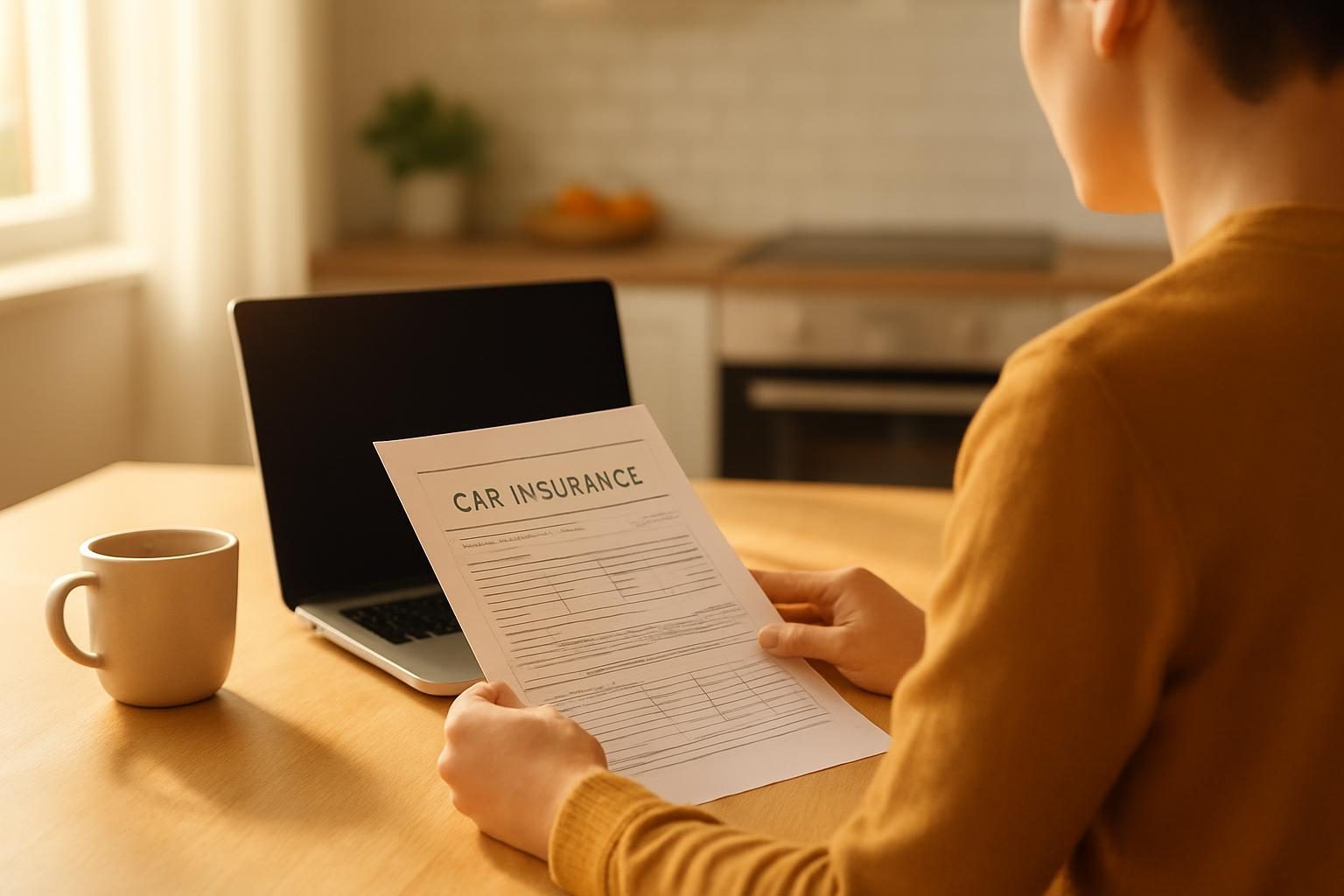
Most people set up their car insurance once and then let it auto-renew for years. That loyalty can quietly cost hundreds of dollars a year, because insurers reprice constantly and the company that was cheapest when you signed up often isn’t anymore.
So how often should you shop for car insurance? Here is a simple schedule, the life events that should trigger a fresh look, and a 30-minute plan that makes comparing quotes painless.
Quick answer: Shop for car insurance at least once a year, ideally 2 to 4 weeks before your renewal date, and any time something big changes: a move, a new car, a new driver, a marriage, a big change in mileage, or a premium jump. Prices and savings vary by area and provider, but many households find a meaningfully lower quote when they compare.
Why shopping regularly matters
Every insurer uses its own formula to price risk. They weigh things like your ZIP code, driving record, vehicle, age, mileage and, in most states, a credit-based insurance score. Each company weighs those factors differently, and each updates its rates on its own schedule.
That means the same driver can get very different quotes from different companies on the same day. It also means your current insurer’s price for you can drift upward even if nothing about you changed. If you have wondered about that, our guide on why your car insurance went up and what to do breaks down the common reasons.
Another quirk: some insurers offer their best introductory prices to new customers, then raise rates at renewals. Staying put without checking can mean you are the one subsidizing the new-customer deals. Regular shopping is how you stay on the right side of that.
The simple schedule: how often to shop
You don’t need to obsess over this. A light, repeatable routine works well.
| When | What to do | Time needed |
|---|---|---|
| Once a year, 2-4 weeks before renewal | Get 3 to 5 comparison quotes and review your own coverage | About 30-60 minutes |
| Any renewal where your premium rose | Re-shop before you accept the new price | About 30 minutes |
| After a major life event (see below) | Re-shop right away; many events change your rate | About 30 minutes |
| Every 6 months if you have a short-term policy | Compare at each renewal point | About 20-30 minutes |
If you have a spotless record and a rate that has barely moved, an annual check is plenty. If your premium has crept up or your life has changed, check more often. The cost of shopping is a bit of time; the potential upside is real money.
Loyalty rarely pays in car insurance; a yearly price check is the habit that does.
Life events that should trigger a re-shop
Don’t wait for renewal if any of these happen. Each one can change what you owe, sometimes by a lot.
Changes to you and your household
- Moving. Rates are heavily based on where the car is garaged. Even a move across town can shift your price.
- Getting married or divorced. Many insurers price married drivers differently, and a split means separate policies.
- Adding or removing a driver. A new teen is a big one; see our upcoming guide on how to lower car insurance for teen drivers.
- Working from home or a shorter commute. Lower annual mileage can qualify you for a lower rate.
- Retiring or changing jobs. Some occupations and affiliations unlock group discounts.
Changes to your car or record
- Buying, selling or paying off a car. Once a loan is paid off, you control your coverage choices instead of a lender.
- A car getting older. At some point, comprehensive and collision may cost more than they are worth; read about when to drop full coverage on an older car.
- A ticket or accident dropping off your record. Penalties fade over time, so a re-shop at that point can pay off.
- An improvement in your credit. In states that allow it, better credit can lower rates. More in our upcoming piece on how your credit affects insurance rates.
If you’ve recently had a claim, our guide to car insurance after an accident explains how to soften the rate hike and when to compare.

How to shop for car insurance in 30 minutes
Comparing quotes sounds like a chore, but it goes fast when you gather a few things first. Here is a step-by-step process.
- Grab your current declarations page. This one-to-two page summary lists your coverage types, limits, deductibles and price. It is your baseline for apples-to-apples comparison. You can usually download it from your insurer’s app or website.
- Collect driver and vehicle details. Have license numbers, vehicle identification numbers (VINs), and an honest estimate of annual mileage ready.
- Decide on your coverage first. Keep limits and deductibles the same across quotes at first so the prices are comparable. Adjust later if you want to experiment.
- Get 3 to 5 quotes from different types of sources. Mix a large national insurer, a smaller or regional company, an independent agent who can quote several companies at once, and a direct-to-consumer online insurer.
- Ask about every discount. Quote tools don’t always apply everything. Review our list of car insurance discounts you might be missing and ask about each one that fits.
- Compare total cost, not just monthly price. Check the six-month or annual total, any fees, and whether paying in full earns a discount. Our upcoming guide covers whether to pay car insurance in full or monthly.
- Switch only when you are ready. Make sure your new policy is active before you cancel the old one so there is no gap in coverage.
Money move: Put a reminder in your calendar for one month before your renewal date, then pull your declarations page and get at least three quotes that week. Starting early gives you time to compare calmly and negotiate, instead of accepting whatever renews by default. Our guide to finding the cheapest car insurance walks through the comparison process step by step.
What to check besides price
The cheapest quote is not always the best deal. A low price built on minimal coverage can cost you far more after a crash. Before you switch, compare these items side by side:
- Liability limits. These pay for damage and injuries you cause to others. State minimums are often low relative to real accident costs.
- Deductibles. This is what you pay before insurance kicks in. A higher deductible usually means a lower premium; see our upcoming take on whether to raise your deductible to lower your premium.
- Uninsured/underinsured motorist coverage. It protects you if the other driver has little or no insurance.
- Claims service and complaint record. Your state insurance department often publishes complaint information you can check for any company.
- Financial strength. Independent rating agencies grade insurers on their ability to pay claims.
To see how your total compares with what other drivers pay, check average car insurance cost and whether you are paying too much. Averages vary widely by state, age and vehicle, so use them as a rough guide only.
Compare the same coverage across every quote, or a cheap price may just be a smaller policy.
Ask your current insurer, too
Shopping around doesn’t mean you have to leave. Once you have competing quotes in hand, call your current company and ask whether they can match or beat them, or review your policy for missing discounts. Sometimes they will, sometimes they won’t, but it costs nothing to ask.
Here is a simple script: “I’m reviewing my car insurance before renewal and I have a lower quote from another company. Before I switch, can you check for any discounts or adjustments that would bring my price down?” Then stay quiet and let them respond. For more wording and tactics, see our guide to car insurance negotiation and what to ask your insurer.
You can also build a custom script with our free Negotiation Script Builder.

Should you worry about switching too often?
Switching is allowed any time, and doing it yearly is perfectly normal. A few things to keep in mind so it goes smoothly:
- Avoid gaps. Even a short lapse in coverage can raise future rates and may be illegal depending on your state. Start the new policy first.
- Check for cancellation fees. Many insurers refund unused premium, but some charge a fee. Your policy documents will say.
- Look at bundling. Combining home and auto can save, but not always. See whether it makes sense in our guide to bundling home and auto insurance.
- Consider newer pricing models. Some insurers use driving data to set your rate. Whether that works for you depends on your habits; see our upcoming guide on whether usage-based insurance is worth it.
If money is tight, also look at programs that help with bills, and ask your state insurance department whether it offers a low-cost auto insurance program or a consumer helpline. Availability and eligibility vary by state, so confirm current details with the official source.
Where this fits in your bigger savings plan
Re-shopping is one of the fastest wins in your budget, but it is only one lever. For the full menu of tactics, from coverage tweaks to discounts to driving habits, see our hub guide on how to lower car insurance with 21 proven ways to save. You can also browse everything in our insurance category.
Savings from comparing quotes vary widely. Some households find little difference, while others find a few hundred dollars a year or more. There are no guarantees, but the only way to know is to look. Note that Bill Reduction Institute is an independent publication, not an insurer, and may earn referral fees from partners; we say so whenever it applies.
Paying too much for car insurance?
Tell us what you pay now and we will follow up with ways to lower it, from do-it-yourself steps to vetted partner offers. Free, with no obligation.
Thanks, we have it.
We will look at what you pay and follow up soon. Meanwhile, try our free negotiation script builder.
Key takeaways
- Shop for car insurance at least once a year, about 2 to 4 weeks before renewal.
- Re-shop right away after a move, a new car, a new driver, a change in mileage or a big premium jump.
- Compare identical coverage and deductibles so quotes are truly apples to apples.
- Get 3 to 5 quotes from different types of sources, then ask your current insurer to match or beat the best one.
- Start your new policy before canceling the old one to avoid any gap in coverage.
- Don’t pick on price alone; check liability limits, claims service and complaint records too.
Frequently asked questions
Does shopping for car insurance hurt my credit?
Getting quotes typically uses a soft credit inquiry (sometimes called a soft pull), which does not affect your credit score. Insurers use a credit-based insurance score in many states, but shopping around for quotes is not treated like applying for a loan. Ask the company if you are unsure which type of inquiry they use.
Will my current insurer raise my rate if I get other quotes?
No. Your current insurer generally does not know you are getting quotes from other companies. Rate changes at renewal are based on their own pricing, your record and your risk profile, not on your shopping. Comparing quotes is free, legal and expected.
Is it better to shop at renewal or any time of year?
You can switch any time. Most insurers will refund the unused part of your premium if you cancel mid-term, though a few may charge a small fee, so check your policy. Many people start shopping two to four weeks before renewal so there is no rush and no gap in coverage.
How often should you shop if you have a clean record and a loyalty discount?
Still at least once a year, and at every renewal if your premium rose. Loyalty discounts are often smaller than the savings available from a competitor, and long-time customers sometimes pay more than new ones. Run quotes and compare the real numbers.
Should I shop for car insurance after an accident or ticket?
Yes, but timing matters. Insurers weigh incidents differently and for different lengths of time, so a company that penalizes you heavily may not be the cheapest option. Shop at your next renewal, and again once the incident ages off your record, to see who rates you best.