
Summer electric bills can feel like a punishment for staying cool. The good news: most households can trim them with a mix of free habit changes, small fixes and a hard look at the rate plan they are on.
This guide walks through how to lower electric bill in summer, starting with the biggest levers, with exact steps, rough savings ranges and help if you are struggling to pay.
Quick answer: Air conditioning is usually the biggest summer cost, so start there: set the thermostat around 78°F when home, raise it when away, change filters, block sun with shades, and run big appliances after dark. Then check your rate plan (time-of-use or provider choice) and ask your utility about rebates, free audits and assistance. Savings vary by home, climate and provider, but many households can cut a noticeable slice off summer bills.
Why summer bills jump (and where the money goes)
Your electric bill is basically two numbers multiplied: how much electricity you use (measured in kilowatt-hours, or kWh) and what you pay per kWh. In summer, usage climbs because air conditioning runs for hours. Some utilities also raise rates during summer months or on hot afternoons.
Cooling is typically the largest single piece of a summer bill, followed by water heating, refrigerators, laundry, lighting and electronics. Pull up your last 12 months of bills and find the kWh used each month. If usage doubled in July, it is a cooling issue. If usage is flat but the bill rose, it is a rate issue.
For a sense of what is normal, see our breakdown of the average electric bill by state and home size. For the year-round big picture, our complete guide to lowering your electric bill goes deeper.
Step 1: Tame your air conditioner (the biggest win)
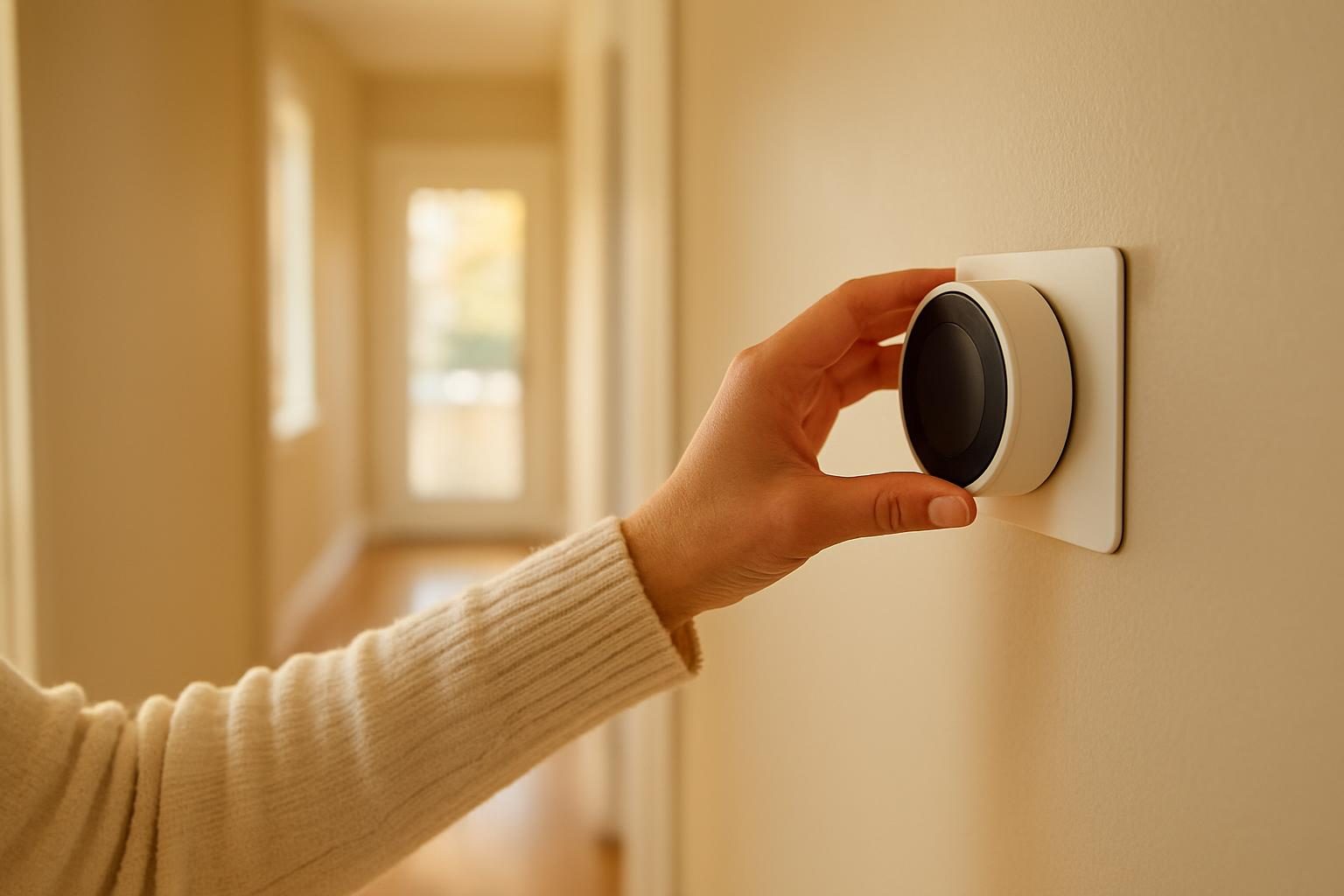
Set the thermostat smartly
Many energy agencies suggest about 78°F when you are home and awake, and several degrees warmer when you are out. Each degree higher generally trims cooling costs a bit. Cranking the dial to 65°F will not cool the house faster; it just runs the system longer.
If 78°F feels rough, build up gradually: try 74, then 76, then 78 over a couple of weeks. Pair it with fans and your body adjusts quicker than you would expect. We cover this in more detail in our upcoming guide on the best thermostat settings to save money year-round.
Use a schedule or smart thermostat
A programmable or smart thermostat can raise the temperature automatically while you are at work and cool the house before you return. Many utilities offer rebates on these, so check before you buy. Savings depend on how much you were over-cooling before.
Give the system what it needs to run efficiently
- Replace or clean the filter every 1 to 3 months in summer. A clogged filter makes the system work harder.
- Clear the outdoor unit. Keep plants, leaves and debris a couple of feet away so air can flow.
- Close vents and doors in unused rooms only if your HVAC technician says it is fine for your system, since closing too many can strain some units.
- Schedule a tune-up in spring if the unit is several years old. Low refrigerant or a dirty coil can quietly raise costs.
Step 2: Keep the heat out in the first place
Every bit of sun and hot air you block is cooling you do not have to pay for. These moves are cheap and work together.
- Close blinds and curtains on sun-facing windows during the day. Light-colored or reflective backing helps.
- Add window film or solar screens to the sunniest windows if renters’ rules allow.
- Seal air leaks around windows, doors and attic hatches with caulk and weatherstripping. A tube of caulk and a roll of weatherstripping often cost far less than a single month of high cooling bills.
- Open windows at night if it cools off where you live, then close up in the morning.
- Check attic insulation. Thin or uneven insulation is a common culprit in older homes. This is a bigger project, but it pays back over years.
Not sure where your home leaks the most? Many utilities offer a free or low-cost home energy audit that pinpoints problems and sometimes comes with free upgrades.
Every degree you raise the thermostat and every ray of sun you block is cooling you do not pay for.
Step 3: Cool people, not empty rooms
Fans are your best friend
Fans use a small fraction of the electricity of central air. They cool you by moving air across your skin, so switch them off when you leave the room. In summer, ceiling fans should spin counterclockwise (looking up) to push air down.
Cook and wash with heat in mind
Ovens, stoves, dryers and dishwashers all add heat your AC then has to remove. Try the microwave, slow cooker, air fryer or outdoor grill on hot days. Run the dishwasher and dryer in the evening or overnight, and let dishes air-dry. Line-dry clothes when you can.
Cut hot water costs
Water heating is a major electric expense in many homes. Wash laundry in cold water, take slightly shorter showers, and consider turning your water heater thermostat down to about 120°F if it is higher. Fixing drips matters too; see our 15 ways to cut your water bill for more.
Step 4: Hunt down hidden electricity drains
Lots of devices keep drawing power when they look “off.” TVs, game consoles, chargers, cable boxes and old second refrigerators can add up. Plug entertainment centers and office gear into power strips you can switch off, and unplug chargers you are not using. Our guide to phantom energy and which devices drain money while off shows what to look for.
Other quick fixes:
- Swap remaining bulbs for LEDs, which use much less power and give off less heat.
- Check the garage or basement for a spare fridge or freezer that is half empty. Running it can be costly; consider unplugging it if you do not need it.
- Set computers and monitors to sleep mode.
Money move: Pull your last year of bills and your utility’s summer rate schedule, then compare your normal plan to a time-of-use option. If you can shift laundry, dishwashing and cooling pre-cooling to off-peak hours, you may save without using less power. Ask your utility to run the numbers for your actual usage before you switch.
Step 5: Check your rate plan, not just your habits
Time-of-use rates
Some utilities charge more for electricity during peak hours (often late afternoon and early evening) and less overnight. If you can shift laundry, dishwashing, EV charging and pre-cooling to cheaper hours, you can lower your bill. If you cannot shift much, a time-of-use plan can backfire. Learn how it works in our guide to time-of-use rates and how to save.
Choosing a provider in deregulated states
In states with electricity choice, you can often pick your supplier. That can save money, but promotional rates can jump after the intro period and some plans have cancellation fees. Read the Electricity Facts Label, check the term length and fees, and compare against your utility’s default rate. Our guide to how to choose an electricity provider walks through it.
Can you negotiate?
Regulated utilities usually charge set rates approved by a state commission, so there is little room to haggle on price. But you can ask about better plans, fee waivers, payment arrangements and rebates. We explain what is realistic in our upcoming piece on whether you can negotiate your electric bill. For general phone tactics, see our guide to how to negotiate bills with scripts and tactics.
Step 6: Level out surprises with the right billing option
If July and August hit like a truck, budget billing spreads your annual cost into steady monthly payments. It will not reduce your total, and your utility may adjust the amount during the year, but it can make summer manageable. Read the pros, cons and who budget billing helps before enrolling.
Habits trim the bill; the right rate plan and the right help can change what the bill starts from.
Savings at a glance
These are rough, typical ranges. Actual results depend on your home, climate, utility rates and how you use energy.
| Action | Typical cost | Typical savings potential |
|---|---|---|
| Raise thermostat a few degrees | Free | Noticeable reduction in cooling costs |
| Clean or replace AC filter | Low (a few dollars) | Small but steady, helps system efficiency |
| Close blinds and curtains by day | Free | Small to moderate on sunny rooms |
| Weatherstripping and caulk | Low | Small to moderate, pays back over a season or two |
| Power strips and unplugging | Low | Small, adds up year-round |
| Smart or programmable thermostat | Low to moderate, rebates may apply | Varies with how you cool now |
| Shift usage on a time-of-use plan | Free to switch | Varies widely; depends on your schedule |
| Attic insulation or duct sealing | Moderate to high | Moderate, long-term payback |

Step 7: Use rebates, audits and bigger upgrades wisely
If your AC is old or failing, replacing it may be worthwhile, but the math depends on your climate, current system and price. Ask your utility and state energy office about rebates for efficient equipment, and see our coming guide on home energy rebates and tax credits to check. Rules and amounts change, so confirm current details with official sources or a tax professional.
If you are comparing options, a heat pump can both cool and heat efficiently in many climates. We are putting together a guide on when heat pump savings make the switch pay off. Rooftop solar can also cut bills in sunny, high-rate areas, but it is a big purchase; read our honest breakdown of whether solar is worth it before you talk to any salesperson.
Struggling to pay? Help is available
A high summer bill can be a crisis, not just an annoyance. Do not wait for a shutoff notice.
- Call your utility first. Ask about payment plans, hardship funds, extended due dates and any protections during extreme heat. Rules vary by state and company.
- Apply for LIHEAP. The Low Income Home Energy Assistance Program helps eligible households with energy costs, and some states include cooling help. Contact your state LIHEAP office or call 211 to confirm eligibility, deadlines and funding.
- Check Benefits.gov and 211. They can point you to local charities, community action agencies and utility assistance funds.
- Contact your state utility commission if you believe you are being treated unfairly or face a disconnection you do not understand.
- Look at your whole budget. Cutting other recurring bills frees up cash for the electric bill. Start with our guide to help-paying-bills programs.
You can also use our free Bill Savings Finder to spot where else your monthly bills may be too high.
A simple summer game plan
Do not try all of this at once. Pick a few moves that fit your home and budget:
- This week: reset the thermostat, change the filter, close blinds on sunny windows.
- This month: add power strips, unplug extras, shift laundry and dishes to evenings, and call your utility about rate plans, audits and rebates.
- This season: seal leaks, consider a smart thermostat, and plan bigger upgrades for the cooler months.
Bill Reduction Institute is independent and may earn referral fees from partners, which we always disclose. We are not a utility, insurer or provider, and our advice is general education, not legal or tax advice.
For more ways to cut energy costs, browse our Utilities & Energy category. In cooler months, our upcoming guide on how to lower your gas bill in winter will help you keep the savings going year-round.
Summer bill too high? Get a free review
Tell us what you pay now and we will follow up with ways to lower it, from do-it-yourself steps to vetted partner offers. Free, with no obligation.
Thanks, we have it.
We will look at what you pay and follow up soon. Meanwhile, try our free negotiation script builder.
Key takeaways
- Air conditioning is usually the biggest summer cost, so start with thermostat settings, filters and shade.
- Fans, evening cooking and laundry timing reduce heat and electricity without much sacrifice.
- Check your rate plan: time-of-use, provider choice and budget billing can change what you pay or how it feels.
- Ask your utility about free audits, rebates and payment plans before spending money on upgrades.
- If you are behind, contact your utility early and check LIHEAP, 211 and Benefits.gov for help.
Frequently asked questions
Why is my electric bill so high in summer?
Air conditioning is usually the biggest reason. Cooling a home can account for a large share of summer electricity use, and some utilities also charge higher rates in peak months or during afternoon and evening hours. Heat waves, an older AC unit, leaky ducts and a poorly insulated attic all push usage up. Compare your kilowatt-hours (kWh) month to month on your bill to see whether usage or rates changed.
What temperature should I set my AC to save money?
Many energy agencies suggest around 78°F when you are home and awake, and a few degrees higher when you are away. Every degree you raise the setting generally trims cooling costs, though exact savings vary by home and climate. Use ceiling fans to feel cooler at a higher setting, and avoid dropping the thermostat very low, since the house will not cool faster.
Does a fan save money compared to air conditioning?
Yes, fans use far less electricity than central AC. They cool people, not rooms, so turn them off when you leave. A ceiling fan can let you raise the thermostat a few degrees without feeling hotter. Make sure ceiling fans spin counterclockwise in summer so they push air down.
Can I get help paying a high summer electric bill?
Often, yes. The federal Low Income Home Energy Assistance Program (LIHEAP) can help with cooling costs in many states, and many utilities run hardship funds or payment plans. Eligibility, amounts and funding vary by state, so check with your state LIHEAP office, call 211, or search Benefits.gov. If you are behind, call your utility before a shutoff notice arrives and ask what is available.
Is budget billing a good idea in summer?
It can be, if your problem is surprise spikes rather than total cost. Budget billing averages your yearly costs into a steady monthly payment, which makes summer easier to plan for. It does not lower your usage or rates, and your utility may adjust the amount during the year. Compare the pros and cons before you sign up.