
Upgrading to a more efficient heater, window or appliance can lower your bills for years, but the sticker price stops a lot of people. The good news: a mix of energy efficiency tax credits, rebates and free programs can take a real bite out of the cost, if you check them in the right order.
Quick answer: Before you buy any energy upgrade, check four places: federal tax credits (IRS), your state energy office, your utility’s rebate page and free weatherization programs. Confirm eligibility and get approval in writing first, keep every receipt and model number, and never assume a rebate is still funded. Rules and amounts change, so verify each one at the official source.
Tax credits vs. rebates: know the difference
These two get mixed up constantly, and the difference affects how and when you get your money back.
A tax credit reduces what you owe in income taxes when you file your return. A rebate is cash back, a bill credit or an instant discount from a utility, state program, manufacturer or store. You can sometimes use both on the same purchase, but each has its own paperwork and deadlines.
| Type | Who offers it | How you get the money | Watch out for |
|---|---|---|---|
| Federal tax credit | IRS / federal government | Claimed when you file your tax return | Rules, caps and end dates change; you need tax liability or refund eligibility to benefit |
| State or local incentive | State energy office, city or county | Rebate, instant discount or tax benefit | Funding can run out; may require approved contractors |
| Utility rebate | Your electric or gas company | Bill credit, check or discount at purchase | Often requires pre-approval and specific models |
| Free weatherization | Federal program run through state and local agencies | Free upgrades for qualifying households | Income limits and waitlists apply |
Step-by-step: how to check what you qualify for
Work through these in order. It takes about an hour, and it can save you hundreds or more on a big purchase. Amounts vary widely by upgrade, location and your situation.
- Write down what you are considering. A heat pump, insulation, windows, a water heater, a new fridge? Programs are specific to the type of equipment.
- Check the IRS. Search the IRS website for “energy efficient home improvement credit” and “residential clean energy credit.” Read the current rules, limits and which form to file. Confirm details with a tax professional if you are unsure.
- Visit your state energy office. Search “[your state] energy office rebates.” Many states list incentives, income-based programs and approved contractors in one place.
- Check your utility’s website. Search “[your utility name] rebates” or “energy efficiency programs.” Look for pre-approval rules.
- Look for free help. Visit Benefits.gov or call 211 and ask about weatherization and energy assistance programs.
- Get everything in writing. Ask the program for eligibility in an email or confirmation number before you buy.
- Keep your paperwork. Save receipts, model numbers, manufacturer certifications and contractor invoices for tax time.
Check the rebate before you check out. Many programs will not pay you back for a purchase you already made.
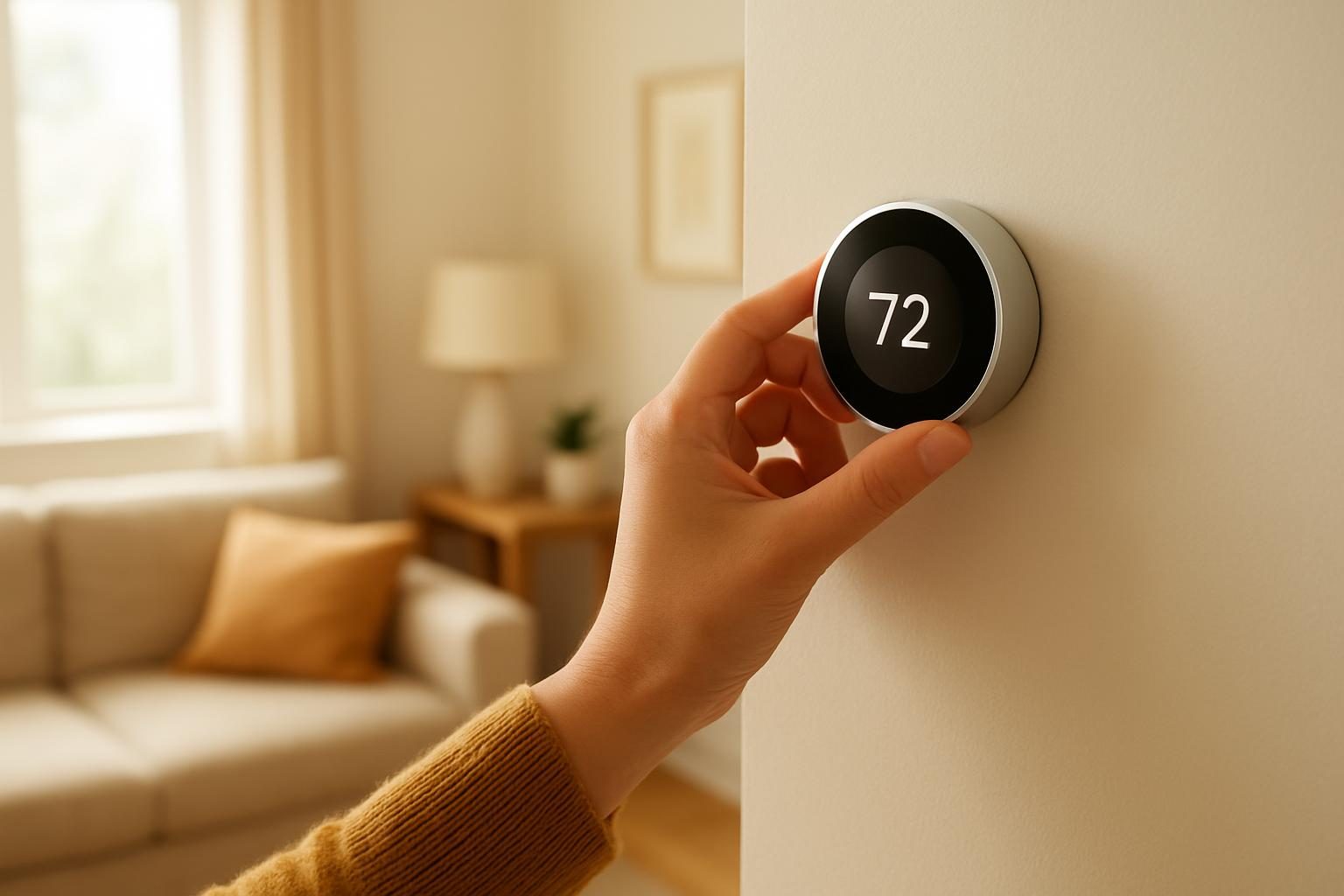
Where energy efficiency tax credits tend to apply
Federal energy tax credits have generally focused on a few categories of upgrades. Specific percentages, dollar caps and deadlines change with new legislation, so treat the list below as a guide to where to look, not a promise of what you will get.
Home envelope upgrades
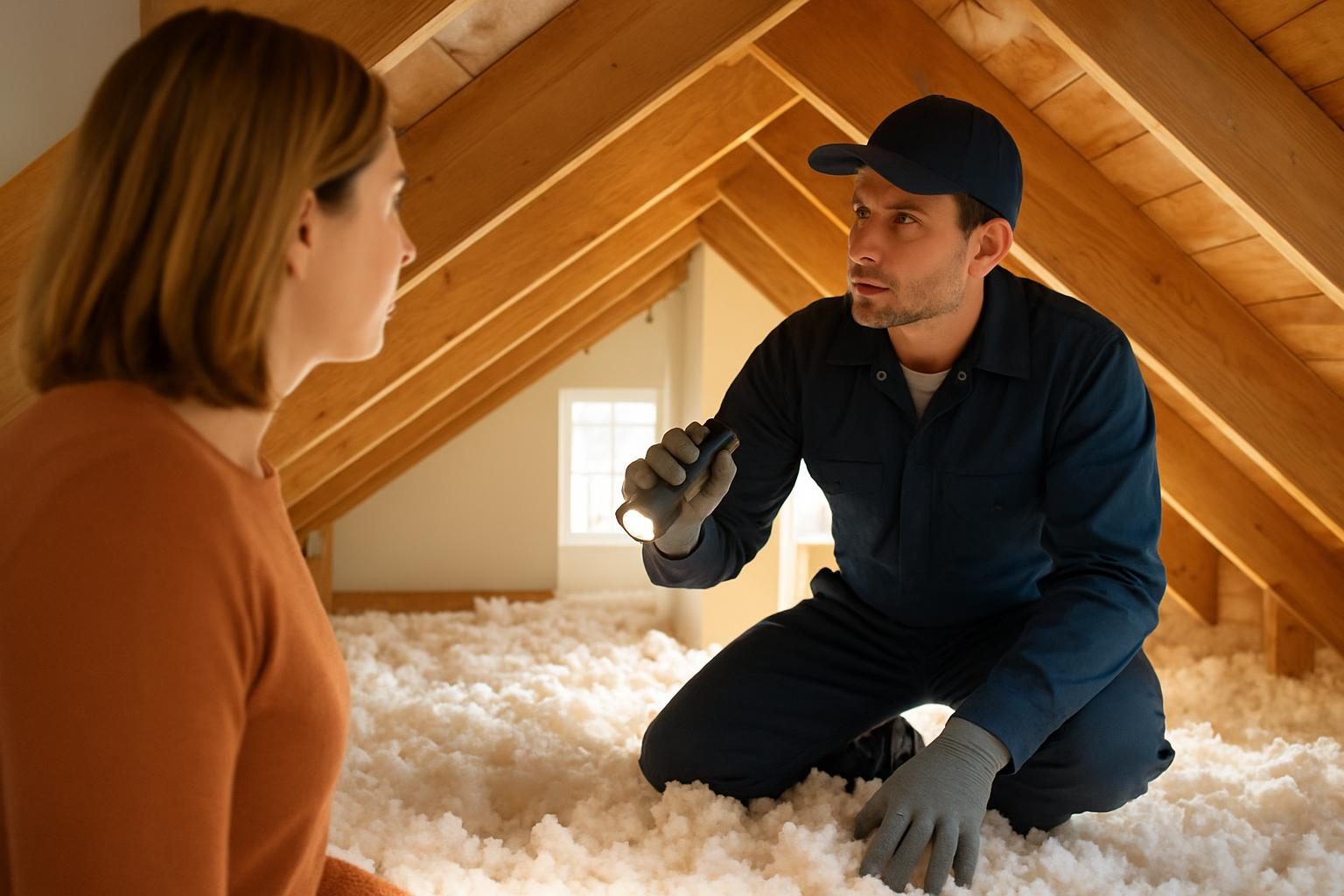
Insulation, air sealing, certain windows and doors and similar improvements that keep heated and cooled air inside. These are often the cheapest way to lower both electric and gas bills. A free home energy audit from your utility can tell you which one will pay off most in your house.
Heating, cooling and water heating
High-efficiency heat pumps, heat pump water heaters and some other equipment have been eligible for credits and rebates. Whether the switch makes financial sense depends on your climate, current fuel and electricity rates; see our upcoming guide on heat pump savings for when the numbers work.
Solar and other clean energy equipment
Solar panels and related equipment have had their own category of federal credit. These are bigger purchases with long payback periods, so run the numbers first with our honest breakdown: is solar worth it?
Appliances and smaller items
Efficient refrigerators, washers, dryers, smart thermostats and LED lighting are more often covered by utility or state rebates than by federal credits. Check your utility’s list of qualifying models before you shop.
Money move: Before signing any contract or buying big equipment, call your utility and ask: “Which rebates can I get for this equipment, do I need pre-approval, and can you email me the eligible model list?” You can also ask about negotiating your electric bill while you have them on the line. Then ask the contractor to confirm the model qualifies. Five minutes can protect a rebate worth hundreds.
Typical costs and what incentives can offset
Prices below are rough, typical ranges. They vary a lot by area, home size and provider, and incentives vary by program, so use this to plan, not to predict your exact savings.
| Upgrade | Typical upfront cost (approx.) | Where incentives often come from |
|---|---|---|
| Attic insulation and air sealing | Several hundred to a few thousand dollars | Utility rebates, federal credit, free weatherization if you qualify |
| Smart or programmable thermostat | Roughly $25 to $250 | Utility rebates and instant discounts |
| Efficient refrigerator or washer | Several hundred to a couple thousand dollars | Utility and state rebates |
| Heat pump water heater | Typically a few thousand dollars installed | Federal credit, state and utility rebates |
| Heat pump heating and cooling | Often several thousand to well over $10,000 | Federal credit, state and utility programs |
| Rooftop solar | Often well into five figures | Federal credit, state and local incentives |
Free and low-cost help if you are on a tight budget
If a big purchase is not realistic right now, you still have options. Tax credits mostly help people who can pay upfront and who owe taxes, so lower-income households should look at programs that do the work for free.
- Weatherization Assistance Program: a federal program, run through state and local agencies, that helps qualifying households with insulation, air sealing and efficiency repairs at no cost. Ask your state weatherization office or call 211 for your local provider.
- LIHEAP: the Low Income Home Energy Assistance Program helps with heating and cooling bills, and some areas also offer help with energy-related repairs. Check eligibility with your state LIHEAP office.
- Utility income-qualified programs: many utilities offer free or discounted upgrades and bill discounts. Ask yours directly.
- Everything in one place: see our guide to help paying bills for programs worth knowing.
The cheapest kilowatt-hour is the one you never use, and free weatherization can help you stop using it.
Mistakes that cost people their rebate
Most lost incentives come from small, avoidable slips. Watch for these.
- Buying first, asking later. Many rebates require pre-approval or a reservation before purchase.
- Choosing a non-qualifying model. Look for the exact model number on the program’s eligible list, not just a general “efficient” label.
- Skipping paperwork. Without itemized receipts, model numbers and certifications, you may not be able to claim a credit.
- Assuming the contractor knows. Some contractors are great at this and some are not. Verify with the program yourself.
- Missing deadlines. Rebates often have submission windows, sometimes just 30 to 90 days after purchase. Check yours.
- Counting on a credit you cannot use. If you owe little or no federal income tax, a tax credit may not help you the way you expect. Ask a tax professional how it applies to your situation.
Stack the savings: pair upgrades with smarter habits
Incentives lower the cost of equipment, but your habits and your rate plan determine how much you save each month. Once an upgrade is in, make it pay off faster.
- Check whether a time-of-use rate fits your new equipment and schedule.
- Tackle easy leaks first, like phantom energy from devices that drain power while off.
- Set your thermostat well; our upcoming guide to the best thermostat setting to save money covers it.
- Follow the full playbook in how to lower your electric bill.
Want to see how much you could save across all your bills, not just energy? Try our Bill Savings Finder.
A note on accuracy and who we are
Bill Reduction Institute is an independent publication, not a government agency, tax preparer or contractor. Tax credit rules, amounts and deadlines change, and utility and state programs come and go. Confirm everything with the IRS, your state energy office, your utility or a qualified tax professional before you buy. We may earn referral fees from some partners, which never changes our advice.
For more on cutting energy costs, browse our Utilities & Energy guides.
Want help cutting your energy bills now?
Tell us what you pay now and we will follow up with ways to lower it, from do-it-yourself steps to vetted partner offers. Free, with no obligation.
Thanks, we have it.
We will look at what you pay and follow up soon. Meanwhile, try our free negotiation script builder.
Key takeaways
- Check the IRS, your state energy office, your utility and weatherization programs before any energy purchase.
- A tax credit lowers your tax bill; a rebate is a discount or cash back. They have different rules and timing.
- Get pre-approval and eligibility confirmed in writing before you buy, and keep receipts and model numbers.
- If you are on a tight budget, free weatherization, LIHEAP and utility income-qualified programs may help more than a tax credit.
- Amounts and rules change often, so verify each program at its official source.
Frequently asked questions
What is the difference between a tax credit and a rebate?
A tax credit reduces the income tax you owe (or the refund you get) when you file your return. A rebate is money or a discount you get from a utility, state program or store, often at checkout or by mail. Many upgrades can qualify for both, but the rules and timing are different for each.
Can I get a tax credit if I rent my home?
Some credits are tied to home ownership or to the person who pays for the equipment, so renters often have fewer options. Utility rebates, free weatherization help and discounted efficient products are often easier routes for renters. Ask your landlord what they plan to upgrade, and check your utility’s programs, which sometimes serve renters too.
Do I need to itemize deductions to claim an energy tax credit?
Generally, no. Tax credits are different from deductions, and home energy credits are typically claimed on a dedicated IRS form filed with your regular return. Confirm the current form and rules in IRS instructions or with a tax professional, since details change.
What if I cannot afford to pay upfront and wait for a credit or rebate?
Start with programs designed for upfront help: the Weatherization Assistance Program, utility income-qualified programs, and state or local programs. Some rebates are applied at the point of sale, so you pay less on the day you buy. Call 211 or check Benefits.gov to find what is available where you live.
Should I buy equipment before I confirm a rebate?
No. Many rebates require pre-approval, a specific model or an approved contractor, and some run out of funding. Confirm eligibility in writing first, keep your receipts and model numbers, and only then buy or sign a contract.