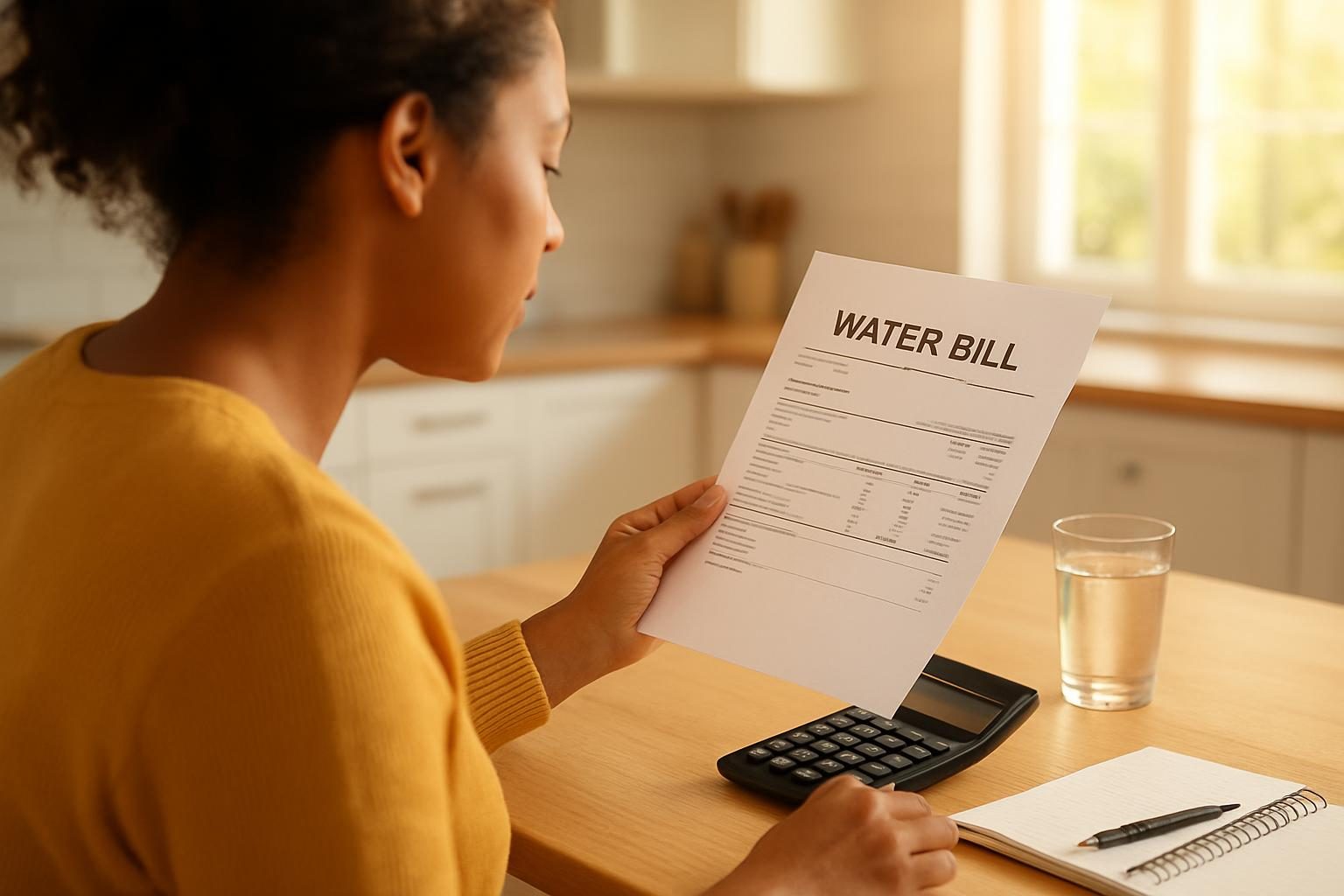
A high water bill can sneak up on you, and a shutoff notice can make your stomach drop. The good news: you have more options than most people realize, and many of them start with one phone call. This guide walks you through where to find help paying your water bill, what to say, and how to keep the bill lower going forward.
Quick answer: Call your water utility first and ask about payment plans, hardship funds and discounted rates for low-income households. Then call 211 and your local community action agency for emergency grants. Ask about shutoff protections before the due date, and check your home for leaks to bring future bills down. Programs vary by area, so confirm details with the official source.
Why water bills are hard to get help with (and why you still can)
Unlike heating and cooling, there is no permanent national program devoted to water bills. That is why many people assume nothing exists. In reality, help is out there, but it is scattered across your utility, your city or county, your state and local nonprofits.
The trick is knowing where to look and asking the right questions. Utilities would generally rather set up a plan than chase unpaid balances, so they are often more flexible than you expect.
Step-by-step: how to get help paying your water bill
Work through these in order. You can start on step one today, even if you only have ten minutes.
- Read your bill and your notice. Find your account number, the amount past due, the due date and any shutoff date. Note any phone number or customer assistance section listed.
- Call your water utility. Ask for the customer assistance or billing department, not general support.
- Ask about a payment plan. Many utilities let you spread a past-due balance over several months.
- Ask about hardship funds and discount rates. Some utilities run their own assistance fund or offer reduced rates for qualifying households.
- Call 211. They can point you to local grants, charities and agencies that pay utility bills.
- Contact your community action agency. These agencies often handle emergency utility help.
- Ask about shutoff protections. Medical conditions, extreme weather and certain life situations may give you extra time.
- Check for leaks and waste. A lower bill makes every other fix easier.
- Get everything in writing. Ask for an email or letter confirming any plan or extension.
The best places to look for water bill help
Here is a quick comparison of the main sources, what they typically offer and how to reach them. Availability, amounts and eligibility vary by area, so treat this as a map, not a promise.
| Source | What it may offer | How to start |
|---|---|---|
| Your water utility | Payment plans, due-date changes, hardship funds, discount rates | Call the customer assistance line on your bill |
| 211 hotline | Referrals to local charities, grants and agencies | Dial 211 or visit 211.org |
| Community action agency | Emergency utility payments, case management | Search for your county’s agency or ask 211 |
| City or county government | Local assistance programs, sometimes funded through water systems | Check your city or county website or call the main line |
| Charities and faith groups | One-time grants toward past-due bills | Ask 211 or call local organizations directly |
| State utility commission | Rules on shutoffs and complaints (for regulated utilities) | Find your state commission online |
Call before the due date, not after the shutoff. Early calls get more options.
What to say when you call your water utility
You do not need a perfect script, but being clear and calm helps. Here is a simple one you can adapt.
“Hi, I’m calling about account [number]. I’m having trouble paying the full balance right now and want to avoid a shutoff. Can you tell me about payment plans, any hardship assistance and whether I’d qualify for a reduced rate?”
Then ask these follow-ups, one at a time:
- “Can I get a payment plan, and what would the monthly amount be?”
- “Can the shutoff be paused while I set this up?”
- “Are there late fees I can ask to have waived?”
- “Is there a customer assistance program or a charity fund you work with?”
- “Can you email me the details of what we agreed to?”
If the first person cannot help, politely ask for a supervisor or the hardship team. For more scripts you can use on any bill, see our guide on how to negotiate bills with scripts, timing and tactics.
Know your shutoff rights
Rules about when a utility can shut off water differ by state, city and whether your provider is public or private. Many places require advance written notice and a waiting period. Some offer extra protection if someone in the home has a serious medical condition, during extreme heat or cold, or when children, older adults or people with disabilities live in the home.
Because the details change so much, check your state utility commission or your utility’s customer service for the rules where you live. We are also preparing a guide on utility shutoff protections in your state.
Money move: Before you call, write down your account number, the past-due amount and the shutoff date. Then ask for a payment plan and a late-fee waiver in the same call. Confirm the plan in writing before you hang up.

Using 211 and local agencies
If your utility cannot cover the gap, 211 is one of the fastest ways to find local help. It is a free information and referral service you can reach by dialing 211 or visiting 211.org. Operators can point you to charities, community action agencies and government programs near you. To learn more about what the service covers, read about what 211 can help with.
Tell them you need help paying a water bill and ask whether any programs for utilities or emergency assistance are open now. Funds can run out, so ask what to try if the first program is closed.
Other places that sometimes help
- Local charities and religious organizations. Many offer one-time bill payments.
- Benefits.gov. This federal site can help you spot other programs you may qualify for, which frees up money for the water bill.
- Rental assistance programs. If water is part of your housing costs, these sometimes help.
- Your employer or union. Some offer emergency hardship funds.
Help for seniors, veterans and other households
Some utilities and local groups offer special programs for older adults, veterans, people with disabilities or households with a medical need. Ask the utility whether any discounts apply to you. You can also see our upcoming guides on senior discounts on phone, internet, utilities and more and military discounts on bills.
A running toilet can quietly cost more than a month of streaming. Fix leaks and the savings start right away.
Lower the water bill itself
Assistance helps with what you owe now. Lowering your usage helps every month after. The most common culprits are easy to find.
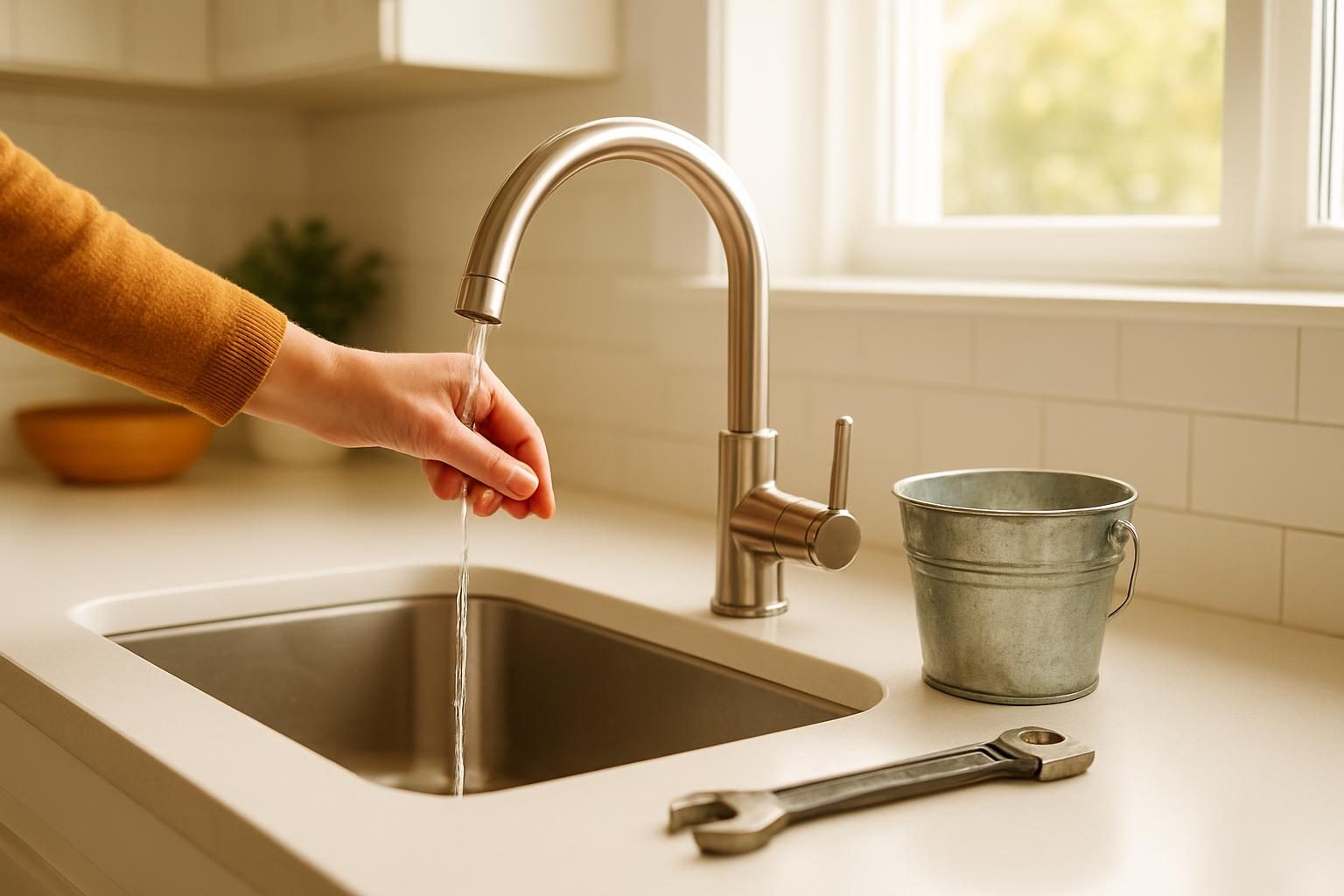
Check for hidden leaks
- Toilet leak test. Add a few drops of food coloring to the tank. If color shows up in the bowl without flushing, you have a leak.
- Meter check. Turn off all water, then see whether your meter is still moving. If it is, you may have a leak somewhere.
- Drips. Faucets and showerheads often just need a new washer or cartridge.
Ask about free or discounted fixes
Some utilities offer free leak checks, low-flow showerheads, aerator kits or rebates on efficient toilets and washers. Ask your utility what is available. If you also want to cut other utility costs, our Weatherization Assistance Program guide explains free home upgrades that may lower bills.
Easy habits that help
- Run dishwashers and washing machines only with full loads.
- Take slightly shorter showers.
- Skip running the tap while brushing teeth or washing dishes.
- Water lawns less often, and early in the morning.
Check the bill for errors and fees
Bills can contain mistakes. Compare this month’s usage to previous months. A sudden spike with no change in your household may point to a leak, a stuck meter or an estimated reading. Ask the utility to verify the meter reading and review your usage history.
You can also ask about a one-time courtesy adjustment if a leak was repaired or the spike was unusual. Not every utility offers one, but many will at least review the request.
Prioritize your bills without panic
When money is tight, it helps to know which bills carry the biggest consequences. Water, heat, electricity, rent and food usually come first because losing them affects your health and housing. If you are juggling several bills, our guide to every bill-help program worth knowing can help you find relief for the rest, and our walkthrough on where to turn for help with your electric bill covers the next utility on many people’s list.
If heating or cooling costs are also a strain, see the LIHEAP guide to heating and cooling bill help. You can also browse everything in our Bill Help Programs category.
Want a quick way to find extra savings elsewhere in your budget? Try the free Bill Savings Finder to spot bills that may be worth negotiating.
Common mistakes to avoid
- Waiting until the shutoff date. Options narrow as the deadline gets close.
- Ignoring the notice. Opening it and calling is almost always better than hoping it goes away.
- Agreeing to a plan you cannot afford. Missing a plan payment can end the arrangement. Ask for an amount you can truly manage.
- Paying a third party to “get you help.” Real assistance programs do not require upfront fees. Be wary of anyone who asks for one.
- Not getting it in writing. Verbal promises can be forgotten.
Disclosure: Bill Reduction Institute is an independent publication, not a utility or government agency. We may earn referral fees from some partners, which never changes our advice. Program rules and funding change, so always confirm with your utility, 211 or the official agency.
Struggling with your water bill? Get a free review
Tell us what you pay now and we will follow up with ways to lower it, from do-it-yourself steps to vetted partner offers. Free, with no obligation.
Thanks, we have it.
We will look at what you pay and follow up soon. Meanwhile, try our free negotiation script builder.
Key takeaways
- Call your water utility early and ask for a payment plan, a late-fee waiver and any hardship or discount program.
- Dial 211 and contact your community action agency for emergency grants and local charities.
- Shutoff rules vary by state and city, so ask about protections and get any agreement in writing.
- Check for leaks and ask your utility about free fixtures, rebates and bill adjustments.
- Never pay anyone upfront to “unlock” assistance, and confirm eligibility with the official source.
Frequently asked questions
Is there a federal program that pays water bills?
There is no single permanent national program that works like LIHEAP does for heating and cooling. Federal funding for water assistance has been offered on a temporary basis in the past and may not be available now. Most help today comes from local utilities, cities, counties, state programs and nonprofits. Call your water utility and 211 to see what is open in your area.
Can my water be shut off if I can’t pay?
Yes, in many places a utility can shut off service for nonpayment, but rules vary a lot by state and city. Many require written notice, a waiting period, and extra protections for medical needs, extreme weather or young children. Check with your utility commission or your utility’s customer service for the rules where you live, and ask about protections before the shutoff date.
Will asking for a payment plan hurt my credit?
Setting up a payment plan with your water utility usually does not involve a credit check and is not typically reported to credit bureaus while you keep up with it. Unpaid balances sent to collections can affect credit, which is another reason to call early. Ask the representative how your account is reported so you know what to expect.
I rent and the water bill is included in my rent. Can I still get help?
It depends on how the bill is set up. If the landlord pays the utility, you may not qualify for utility assistance directly, but rental assistance programs and 211 may help if the cost is passed through to you. If you are billed by the landlord or a billing company, ask your landlord for a copy of the utility bill and check your lease and local rules about how water costs can be charged.
How much can I save by fixing leaks and lowering usage?
Savings vary by household, but a running toilet or dripping fixture can quietly waste a noticeable amount of water each month, and fixing it may lower the bill meaningfully. Some utilities offer free or discounted fixtures and leak checks. Compare a month of normal use against a month after repairs to see your own result.