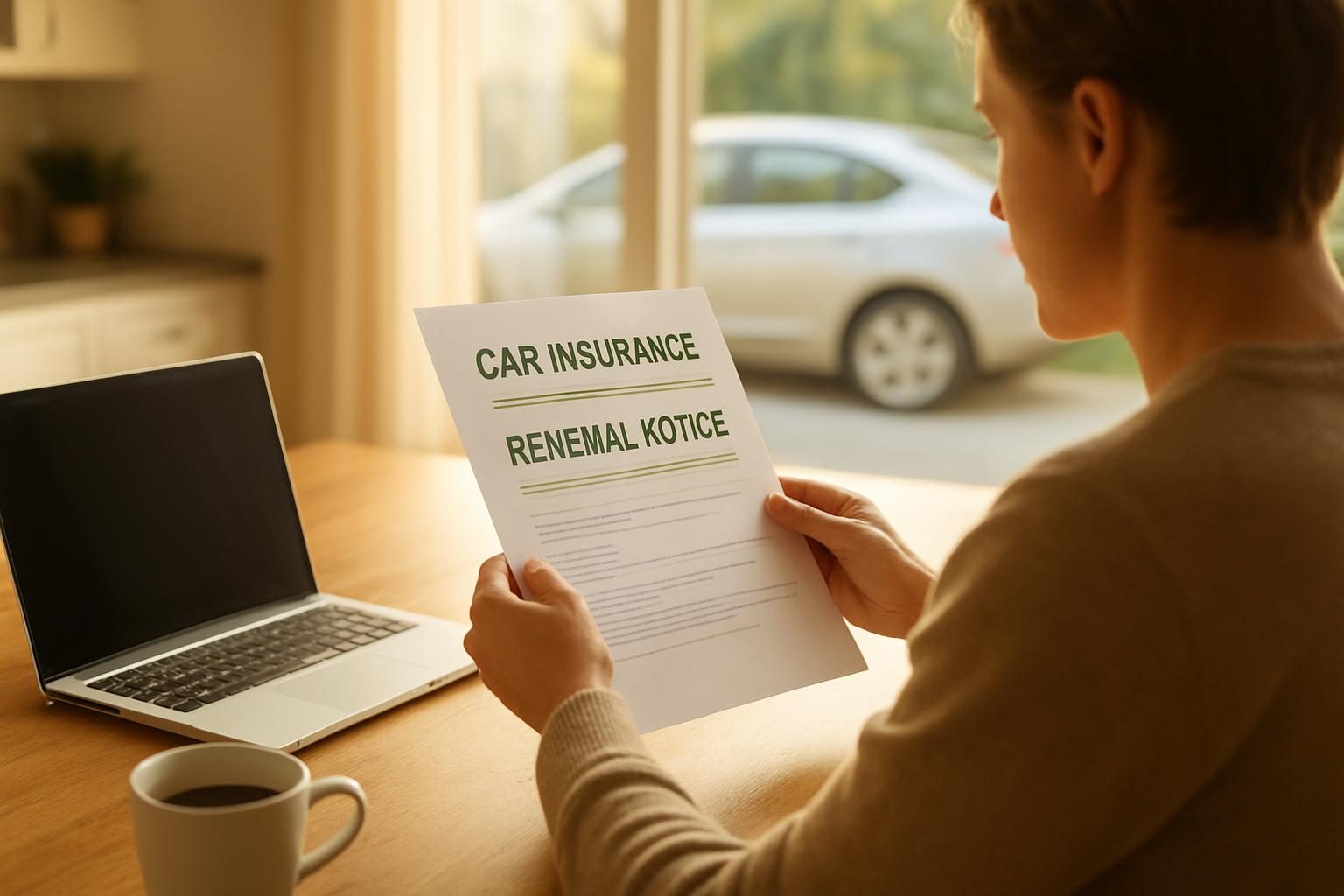
Most drivers pay more for car insurance than they have to, simply because nobody told them which discounts exist or that they have to ask. Insurers rarely volunteer the full list, and many of the best ones are never applied automatically. Here is how to find the car insurance discounts you qualify for and claim them in one phone call.
Quick answer: Call your insurer (or open your online account) and ask for a full discount review: bundling, safe driver, low mileage, good student, defensive driving course, paid-in-full, paperless, and any group or employer discount. Individual discounts commonly range from a few percent to 25% or more, and they vary by company, state and driver. Then get at least two competing quotes so you know your discounted price is actually competitive.
Why discounts are easy to miss
Insurance pricing is built from dozens of factors, and discounts are layered on top. Some are applied when you buy the policy, some need proof, and some only appear if you ask by name. Life changes, like working from home, paying off a loan or a child making honor roll, can make you newly eligible without any notice from your insurer.
Rules also differ by state. Some discounts are not offered everywhere, and some rating factors are limited by state law. Your state insurance department is the official source for what is allowed where you live.
For the full picture of ways to cut your premium beyond discounts, see our guide on how to lower car insurance with 21 proven ways to save.
The most common car insurance discounts
Names vary by company, but most insurers offer some version of the discounts below. The savings ranges are rough, typical figures and will differ by insurer, area and driver. Treat them as a checklist of things to ask about, not a promise.
| Discount | Who it helps | Typical savings (varies) |
|---|---|---|
| Multi-policy (bundling) | Anyone with home, renters or other insurance | Often around 5% to 25% |
| Multi-car | Households with 2+ vehicles on one policy | Often around 5% to 25% |
| Safe driver / claim-free | Clean record for several years | Often around 10% to 30% |
| Low mileage | Short commutes, remote workers, retirees | Often a modest percentage; varies widely |
| Good student | Full-time students with solid grades | Often around 5% to 25% |
| Defensive driving course | Drivers who finish an approved course | Often a modest percentage; varies by state |
| Paid in full | Anyone who can pay the term upfront | Often a small percentage plus no installment fees |
| Paperless / autopay | Anyone willing to switch billing | Usually small |
| Vehicle safety features | Cars with airbags, anti-theft, anti-lock brakes | Usually small |
| Group / affiliation | Employees, alumni, members, veterans, teachers | Varies by group and insurer |
Discounts tied to your driving
Safe driver and claim-free
If you have gone several years without an at-fault accident or major ticket, you may qualify for a safe-driver or claim-free discount. Some insurers apply it automatically, others tier it by how many clean years you have. Ask what the cutoff is, and whether an old ticket has aged off your record yet.
Low mileage
Drive less, pay less is a real rating idea. If you now work from home, have a shorter commute or have shifted to a second car for occasional use, tell your insurer your updated annual mileage. Many policies still carry the number you gave years ago.
Defensive driving courses
In many states, completing an approved defensive driving or accident-prevention course can earn a discount, and some states have rules about it. Check with your insurer and your state insurance department for which courses count, how long the discount lasts, and whether the course fee is worth it.
Usage-based programs
These programs track habits like braking, time of day and mileage through an app or plug-in device, then price you on how you drive. They can reward careful drivers but may not suit everyone. Our guide on whether usage-based car insurance is worth it breaks down the tradeoffs.
Many discounts never show up unless you ask for them by name.
Discounts tied to your household
Bundling and multi-car
Putting auto together with home, renters or another policy often earns one of the bigger discounts. Putting multiple cars on one policy usually helps too. But a bundle is only a win if the total price beats buying separately, so run the numbers; our guide on whether you should bundle home and auto insurance walks through the math. If you rent, ask about the cost of coverage too: see how much renters insurance costs and how to pay less.
Good student and teen driver savings
Students who keep up their grades, or who attend school far from home without a car, may qualify for discounts. Teens are the most expensive drivers to insure, so every discount counts. We cover the specifics in how to lower car insurance for teen drivers.
Group, employer and membership discounts
Many insurers offer reduced rates through employers, professional associations, alumni groups, credit unions, military or veteran status, and other organizations. Check your employee benefits page and your membership perks. It takes a few minutes and is easy to overlook.
Discounts tied to your car and payments
Safety and anti-theft features
Features like airbags, anti-lock brakes, daytime running lights and anti-theft systems can lower the price of certain coverages. Newer cars often have more of these than the policy reflects, especially if you replaced a vehicle recently. Confirm the insurer has your car’s correct trim and features.
Pay in full, paperless and autopay
Paying the whole term upfront often removes installment fees and can earn a small discount. Paperless billing and autopay also come with small savings at many companies. If paying in full strains your budget, run the numbers first with our guide on paying car insurance in full or monthly before choosing.
Money move: Set a 20-minute reminder one month before your renewal date. Call your insurer, say “Please list every discount on my policy and tell me which others I might qualify for,” and write down what you hear. Then get two competing quotes with identical coverage so you can compare real prices.

How to claim every discount: step by step
- Pull your current policy. Find the declarations page, which lists your coverages, drivers, vehicles, mileage and discounts. Note what is already applied.
- Update your facts. Check annual mileage, garaging address, vehicle features, drivers on the policy, and whether any students or retirees qualify for something.
- Call or message your insurer. Ask for a full discount review. Use the script below.
- Gather proof. Report cards, course certificates, group membership and odometer photos are common requests.
- Get 2 to 3 competing quotes. Use the same coverage limits and deductibles on every quote, and ask each company to apply all eligible discounts.
- Compare final prices, not discount counts. A smaller discount on a cheaper base rate can win.
- Confirm in writing. Ask for an updated declarations page showing the discounts and the new premium.
What to say on the call
Try this: “Hi, I’m reviewing my policy before renewal. Can you walk me through every discount currently on my account, and tell me if I qualify for any others, like low mileage, good student, defensive driving, group or paid-in-full? I’d also like to know if my price is going up and why.”
If the answer is not great, add: “I’m getting other quotes. Is there anything else you can do to keep my business?” Our negotiation scripts, timing and tactics guide has more wording you can borrow, and you can read what to ask your insurer in our dedicated car insurance piece.
Compare the final price, not the number of discounts. A smaller discount on a cheaper rate can still win.
When discounts are not enough
Sometimes your rate is high for reasons discounts cannot fix, such as a recent accident, a ticket, a new driver or a rate hike across your area. If your bill jumped, our explainer on why your car insurance went up can help you sort out the cause. After a recent claim or violation, see how to lower car insurance after an accident or ticket.
Other levers to consider: raising your deductible (covered in our deductible guide), dropping optional coverage on an older, low-value car, and shopping around. If your credit plays a role in your rating, learn how credit affects insurance rates; some states restrict this practice, so check with your state insurance department.
If money is tight overall, car insurance is only one part of the squeeze. Our guide to help paying bills and assistance programs pulls together programs worth checking, and the insurance category has more savings playbooks. You can also try the free Bill Savings Finder to see where else you might trim.
Know your limits: do not cut coverage to chase a discount
Lower price is not the goal if it leaves you exposed. Most states require minimum liability coverage, and lenders typically require collision and comprehensive on financed or leased cars. Do not drop required coverage or gamble with very low limits just to save a few dollars. Your state insurance department can tell you what is legally required where you live.
Bill Reduction Institute is an independent publication, not an insurer. We may earn referral fees from partners, which never changes our advice to compare multiple quotes and choose what fits your budget.
Make it a yearly habit
Discounts change, rates shift and your life does too. Put your renewal date on the calendar and repeat the checklist every year. Our guide on how often to shop for car insurance helps you set a rhythm, and our look at the average car insurance cost gives you a benchmark for whether your premium is in a reasonable range for your area.
One phone call can quietly knock real money off your premium. Make that call before your next renewal.
Paying too much for car insurance?
Tell us what you pay now and we will follow up with ways to lower it, from do-it-yourself steps to vetted partner offers. Free, with no obligation.
Thanks, we have it.
We will look at what you pay and follow up soon. Meanwhile, try our free negotiation script builder.
Key takeaways
- Many car insurance discounts are not automatic, so ask for a full review by name.
- Common ones include bundling, multi-car, safe driver, low mileage, good student, defensive driving, paid-in-full and group discounts.
- Update your mileage, vehicle features and household facts; old data can cost you.
- Compare final premiums on identical coverage from at least two other insurers, not just discount percentages.
- Never cut required coverage to save money; confirm your state’s rules with your state insurance department.
- Repeat the review every renewal, since discounts and rates change.
Frequently asked questions
How many car insurance discounts can I stack at once?
Most insurers let you combine many discounts on one policy, but some have caps or exclusions, and the total varies by company and state. Ask the agent to list every discount currently applied and confirm which ones can be added on top. Then compare your final price, not the discount count, against other quotes.
Do car insurance discounts apply automatically?
Some do, like paperless billing or paying in full if you choose those options at sign-up. Many do not, especially ones that need proof, such as a good student discount, a defensive driving course, or a new low-mileage estimate. Assume you have to ask, and review your policy documents each renewal.
Will a discount last forever once I get it?
Not necessarily. Some discounts need updating or re-verifying, such as good student status, mileage, or a defensive driving certificate that expires after a set period. Check your renewal notice each year and ask whether each discount is still active.
Is the biggest discount always the best deal?
No. A large discount off a high starting price can still cost more than a small discount off a low price. Compare the final premium and the coverage side by side, using the same limits and deductibles, before deciding.
Where can I check my rights or file a complaint about insurance pricing?
Your state insurance department is the official source. It can explain which rating factors and discounts are allowed in your state and take complaints if you think you were treated unfairly. Search for your state’s department of insurance to find its consumer help line and website.