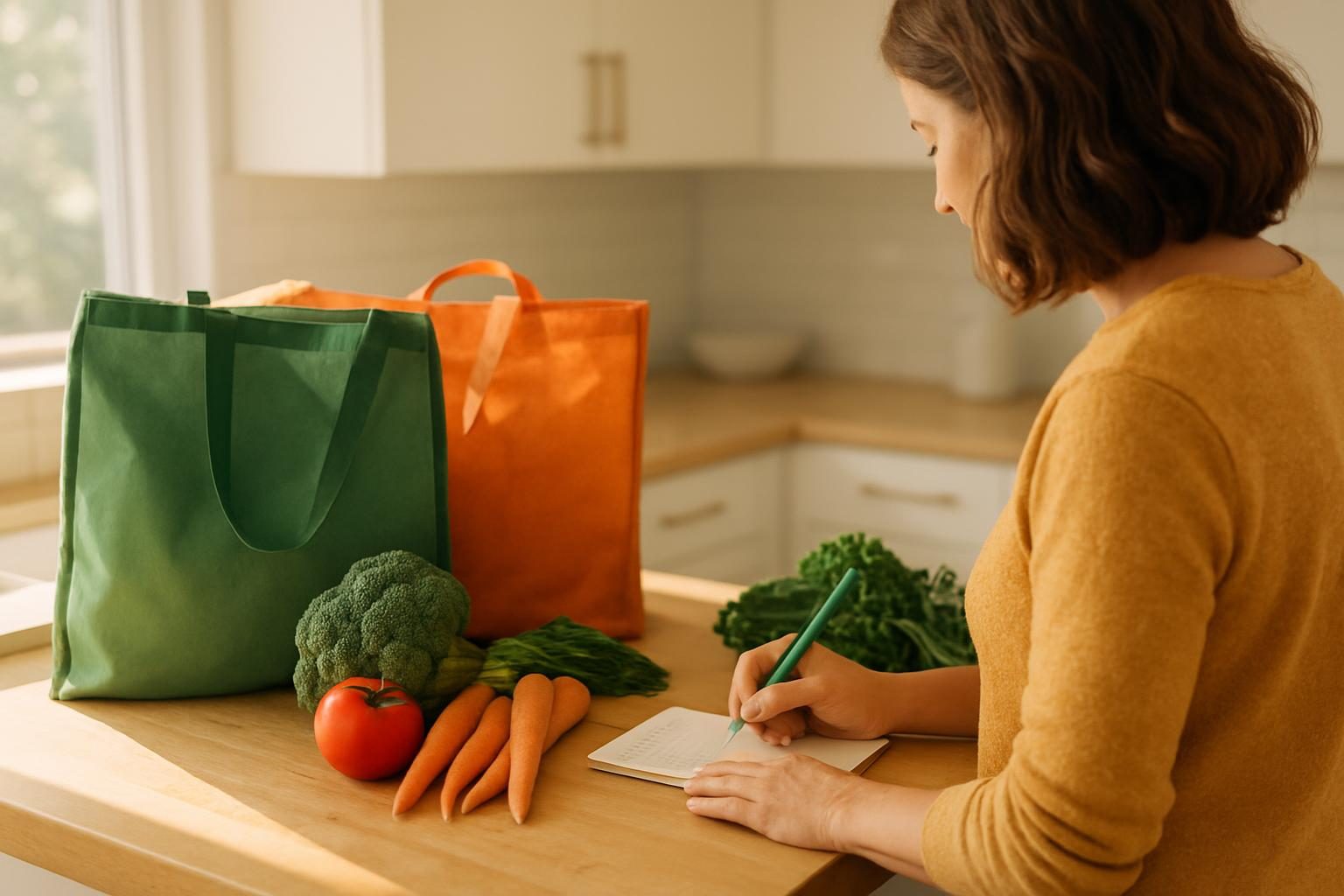
Groceries are the bill that never stops, and it’s the one most households can trim without feeling deprived. Prices keep creeping, but your habits are the part you control. This guide gives you 25 tactics, from five-minute fixes to bigger routines, plus where to turn if you need help putting food on the table.
Quick answer: To save money on groceries, plan meals around what you already own, shop with a list, switch to store brands on staples, compare unit prices, stack sales with cash back, and cut food waste. If money is tight, check SNAP, WIC and local food banks through 211 or Benefits.gov. Many households can trim their bill noticeably, though results vary by area and store.
Step 1: Plan before you shop (tactics 1-6)
Most overspending happens before you reach the store. A little planning does more than any coupon.
- Shop your kitchen first. Check the fridge, freezer and pantry, and build meals around what’s already there, especially items that need to be used soon.
- Plan 4-5 dinners, not 7. Leave room for leftovers and a “clear out the fridge” night. Overplanning leads to abandoned meals and waste.
- Write a list in store-layout order. It keeps you from wandering the aisles, where impulse buys live.
- Look at the weekly sales flyer before planning. Let discounted proteins and produce shape your menu, instead of fighting the prices.
- Cook once, eat twice. Make a double batch of chili, soup or rice dishes and freeze half. It also saves you from pricey takeout on tired nights.
- Set a weekly food budget. Pick a number, track it, and adjust. A simple monthly budget template makes it easy to see where food fits among your other bills.
A grocery list is the cheapest money-saving tool you’ll ever own, and it’s free.
Step 2: Shop smarter in the store (tactics 7-14)
Store brands and unit prices
Store brands are often made to similar standards as name brands and usually cost less. Try them on staples first: canned beans and tomatoes, pasta, flour, sugar, frozen vegetables, butter, milk and cereal. If you don’t like one, switch back and keep the rest.
Always read the unit price, the small number on the shelf tag showing cost per ounce, pound or count. It lets you compare different package sizes honestly.
- Swap to store brands on your top 10 items. Start with the things you buy every week.
- Compare unit prices, not sticker prices. The “family size” isn’t always cheaper per ounce.
- Shop the perimeter, then the shelves with intention. Produce, dairy and meat anchor your meals; packaged snacks are where bills balloon.
- Look high and low on the shelf. Stores often place pricier brands at eye level, so cheaper options may be above or below.
- Buy whole, not pre-cut. Whole chickens, blocks of cheese and heads of lettuce typically cost less than shredded, sliced or bagged versions.
- Use frozen fruits and vegetables. They’re often cheaper than fresh out of season, keep for months, and cut waste.
- Eat before you shop. A hungry shopper buys more. It sounds silly because it works.
- Check receipts for errors. Scanning mistakes happen. If an item rang up wrong, ask customer service for a correction.
Step 3: Stack apps, cash back and loyalty deals (tactics 15-18)
Digital coupons, store loyalty programs and cash-back apps can chip away at your total, but only if you buy what you already planned. A “deal” on something you didn’t need is just spending.
- Join your store’s free loyalty program. Many sale prices are only available to members, so check the shelf tags to see what you’re missing.
- Clip digital coupons before you shop. Load the ones that match your list, and skip the rest.
- Use a cash-back app or rebate program. Types include receipt-scanning rebate apps and store-linked offers. Check the current rules, payout minimums and what data they collect before signing up.
- Consider a grocery rewards card, carefully. A card that pays back on groceries can help, but only if you pay the balance in full every month. Interest wipes out rewards fast, so see our guide on paying bills with a credit card for the tradeoffs.
Money move: This week, pick your 10 most-bought items, compare their store-brand unit prices on the shelf, and switch every one where the swap saves money. Do it once and the savings repeat every trip.
Step 4: Bulk buying, done right (tactics 19-21)
Warehouse clubs and bulk bins can save money, but only on the right things. Buying 10 pounds of something that goes bad is a loss, not a deal.
| Good bulk buys | Risky bulk buys |
|---|---|
| Rice, oats, dried beans, pasta | Fresh produce you can’t finish in a week |
| Frozen meat, fish and vegetables | Specialty sauces and spices you rarely use |
| Toilet paper, soap, laundry detergent | Snacks you’ll eat faster because they’re there |
| Butter and cheese (freeze extra) | Anything past what your freezer can hold |
- Only buy bulk if the unit price is truly lower. Bring your regular store’s prices to compare.
- Split bulk packs with a friend or neighbor. You get the lower price without the storage problem.
- Weigh the membership fee. A warehouse club membership only pays off if your savings beat the annual fee. Track a few trips before renewing.

Step 5: Cut food waste (tactics 22-24)
Wasted food is wasted money. Small habits keep what you buy from ending up in the trash.
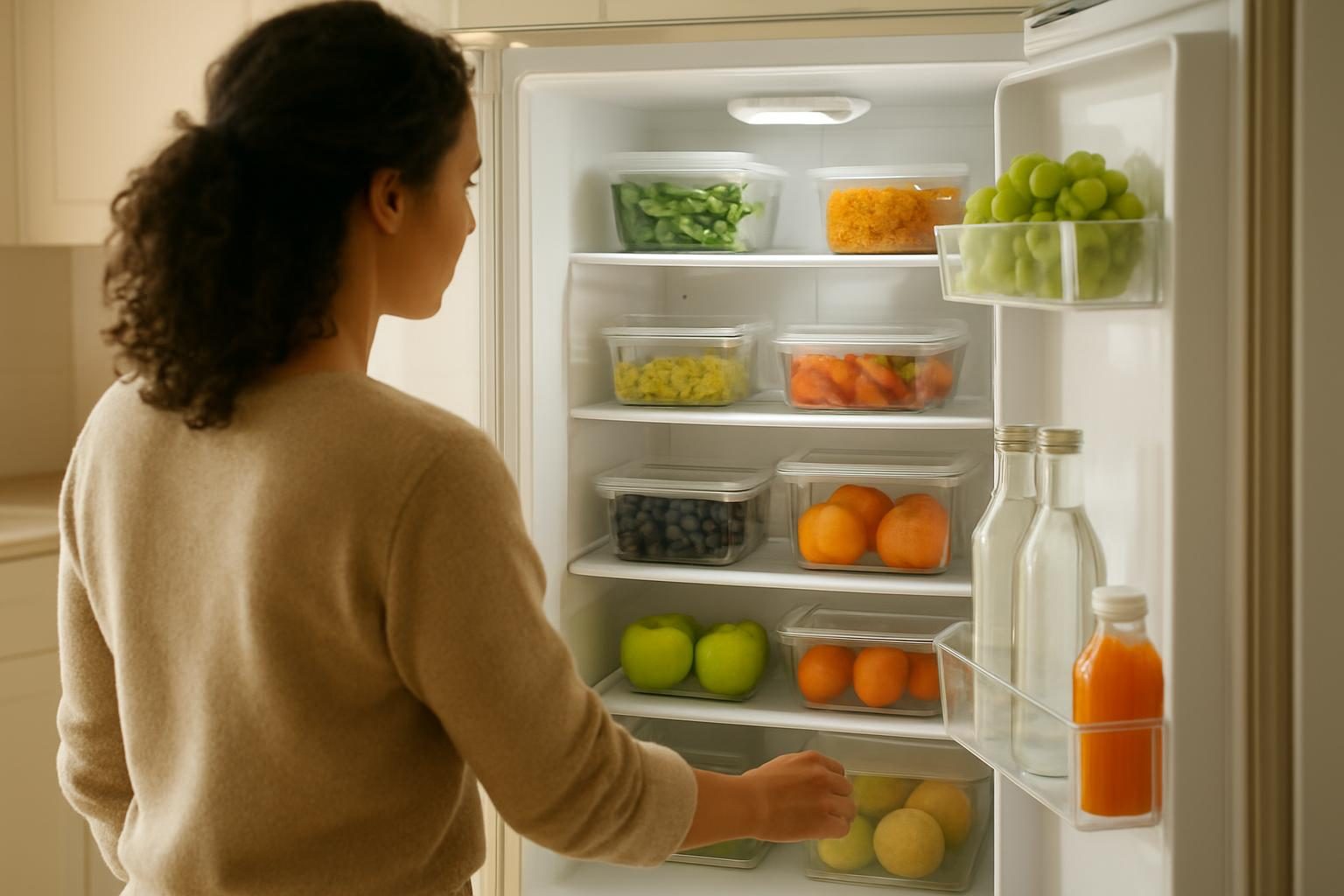
- Move older food to the front. Put newer groceries behind older ones so nothing gets forgotten.
- Freeze before it spoils. Bread, bananas (peeled), cooked rice, shredded cheese, and soup all freeze well. Label with the date.
- Turn scraps into meals. Wilted vegetables become soup or stir-fry, stale bread becomes toast or croutons, and bones become broth.
The cheapest food is the food you already bought, so use it before it spoils.
Step 6: Use food assistance if you need it (tactic 25)
- Check programs you may qualify for. There’s no shame in it. These programs exist for working families, seniors, students and anyone hit by a hard stretch.
- SNAP (food stamps): A federal program, run by your state, that helps eligible households buy groceries. Rules and amounts vary by state and household, so apply through your state’s SNAP office.
- WIC: Nutrition help for eligible pregnant and postpartum women, infants and children under 5. Contact your state or local WIC office.
- School meals: Many schools offer free or reduced-price breakfast and lunch. Ask your school district for an application.
- Food banks and pantries: Many require little or no paperwork. Dial 211 or search 211.org to find ones near you.
- Benefits.gov: A federal site where you can see which benefit programs you might qualify for. Always confirm current eligibility and amounts with the official program office.
If food is only part of a larger squeeze, our guide to help paying bills covers the other programs worth knowing.
What it can add up to
Every household is different, but here’s a rough picture of where savings tend to come from. These are typical ranges, not guarantees, and they depend on where you shop and how you eat today. For groceries and other recurring bills, consider setting up sinking funds to smooth out costs throughout the year.
| Tactic | Typical effort | Where the savings show up |
|---|---|---|
| Meal planning and a list | 15 minutes a week | Fewer impulse buys and takeout nights |
| Store-brand swaps | One-time switch | Lower price on every repeat purchase |
| Cutting food waste | Small daily habits | Less thrown-away food |
| Apps, coupons, cash back | 10 minutes before shopping | A few dollars off many trips |
| Food assistance | An application | Direct help with the grocery budget |
Don’t forget the other bills that eat your food budget
Groceries compete with every other recurring cost. Freeing up money elsewhere can make the grocery bill feel lighter. Start by running a complete subscription audit, since forgotten charges quietly drain budgets. If you spot one you no longer want, see how to cancel a subscription you forgot about.
Your energy bill is another big one. Our electric bill guide shows how to cut it, and our bill negotiation scripts give you word-for-word language for calling any provider. Every dollar you save on a bill is a dollar available for food. You can also browse more ideas in our Subscriptions & Fees category.
Want to see what else you could trim? Try our free Bill Savings Finder to spot your biggest opportunities.
Want help trimming every monthly bill?
Tell us what you pay now and we will follow up with ways to lower it, from do-it-yourself steps to vetted partner offers. Free, with no obligation.
Thanks, we have it.
We will look at what you pay and follow up soon. Meanwhile, try our free negotiation script builder.
Key takeaways
- Plan meals around what you already have, and shop with a list to avoid impulse buys.
- Switch to store brands on staples and compare unit prices, not sticker prices.
- Use loyalty programs, digital coupons and cash back, but only on items you planned to buy.
- Buy in bulk only for things you’ll finish, and freeze extras before they spoil.
- If money is tight, check SNAP, WIC, school meals and food banks through 211 or Benefits.gov.
Frequently asked questions
What is the fastest way to save money on groceries?
Plan meals around what you already have, write a list, and swap name brands for store brands on your 10 most-bought items. Those three moves cost nothing and often cut a weekly bill noticeably, though results vary by household and area.
Is it cheaper to buy in bulk?
Only for things you’ll definitely use before they spoil or expire, like rice, oats, toilet paper or frozen staples. Always compare the unit price (price per ounce or per count) on the shelf tag, because the bigger package isn’t always the better deal.
Are grocery apps and cash back worth the effort?
Often yes, if you stack them with sales and coupons and only buy what’s already on your list. Check each app’s current rules and payout minimums, and ignore any offer that pushes you to buy something you wouldn’t normally buy.
Can I get help with groceries if money is tight?
Yes. SNAP, WIC, school meal programs and local food banks exist for this. Call 211 or visit Benefits.gov to find programs and check current eligibility rules for your state and household size.
Is store-brand food really as good as name brand?
For many staples, such as canned goods, flour, sugar, frozen vegetables and dairy, store brands are comparable and usually cost less. Try one swap at a time, and go back to the name brand only where you truly notice a difference.
Bill Reduction Institute is an independent publication, not a grocer, bank or benefits agency. We may earn referral fees from partners, which never changes our advice. Prices and savings vary by area and store, and nothing here is a guarantee. Confirm program eligibility with the official agency.